Film Review
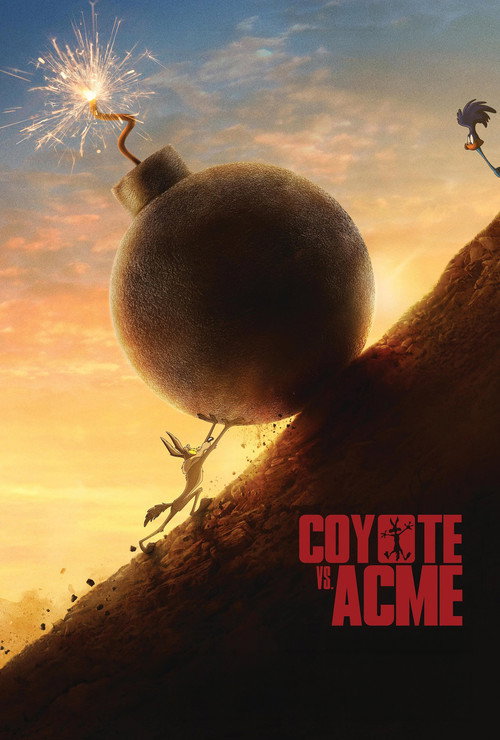
Coyote vs. Acme
Will Forte · Lana Condor · John Cena
The most improbable thing about Coyote vs. Acme is that it exists at all. Completed in 2023 and briefly consigned to the accountants' ledger before fan pressure and a new distributor pulled it back into the light, it arrives in theaters carrying the faint aura of a rescue mission. The happier surprise is that the film itself is not a curiosity worth saving for sentimental reasons. It is funny with the precision of engineering.
Editorial Deep
Score breakdown, defended
Each dimension scores what it scores. The number is the claim; the prose is the defense.
Editorial Layer
Flat mean of the five dimensions below. Contributes 71% to the Skry Score.
Samy Burch's adaptation takes a one-joke premise from a 1990 parody and builds a sustainable structure around it, using dramatic beats to reset the comic momentum so the madcap stretches keep their snap. The satire has bite, and the screenplay knows when to pause the mayhem for a scene that will land. The limitation is a finish that overstays and not every joke landing; the careful construction that makes the film sustainable is also what one serious dissent reads as too worked-out to feel anarchic.
The film's visual language is its craft thesis: practical explosions, a full-size puppet, and deliberately pose-to-pose Chuck Jones timing that privileges classic cartoon rhythm over photorealistic slickness. The animated-meets-live-action integration is seamless enough that actors read as playing off a genuine co-star, and the opening chase is staged at real cinematic scale. The reach stops there: the frame serves gag legibility over painterly ambition, which is the correct choice for the material and also the limit of what the image attempts.
Cena commits fully to a corporate-attorney bit built from smug overconfidence, and the Foghorn Leghorn casting pays off as running comedy. Wile E., kept silent, becomes the most expressive presence on screen through brow and body alone, which is a real performance choice well executed. Forte anchors the human side in his native sad-sack register; the honest limitation is that the majority reads this as committed and touching while a strong dissent hears one note, and both readings are defensible from what's on screen.
The film runs on a governing rhythm of escalation, misfire, and reset that keeps 103 minutes moving, with dramatic pauses calibrated to keep the comic pace from tiring. The opening sequence establishes velocity before dialogue arrives and the film holds it through most of the runtime. What keeps this from ranking higher is a finish that runs a few minutes long and lets the built-up momentum sag; the force is well-managed rather than relentless.
The density rewards return: layered sight-gag timing, an Acme-whistleblower subplot playing as All the President's Men pastiche, and named-drop craft in-jokes like the Avery, Jones & Maltese firm reward attention. The meta-satire lands differently once you know the film's shelving history. The limitation is that a broad family comedy's architecture is legible on first pass, so the second viewing deepens rather than transforms.
Its whole method is control, and the wager it makes is that you can engineer your way to the sensation of chaos.
The premise is drawn from Ian Frazier's 1990 parody: Wile E. Coyote, having survived a lifetime of Acme products detonating in his own paws, hires a lawyer and sues. The lawyer is Kevin Avery, played by Will Forte, whose long career in sad-sack comic personas sits close to the role. Across the aisle stands John Cena's Buddy Crane, an Acme corporate attorney built out of phony sincerity and shatterproof ego, working for a CEO who happens to be Foghorn Leghorn. The casting is not a gag stretched thin; it is a joke that keeps paying.
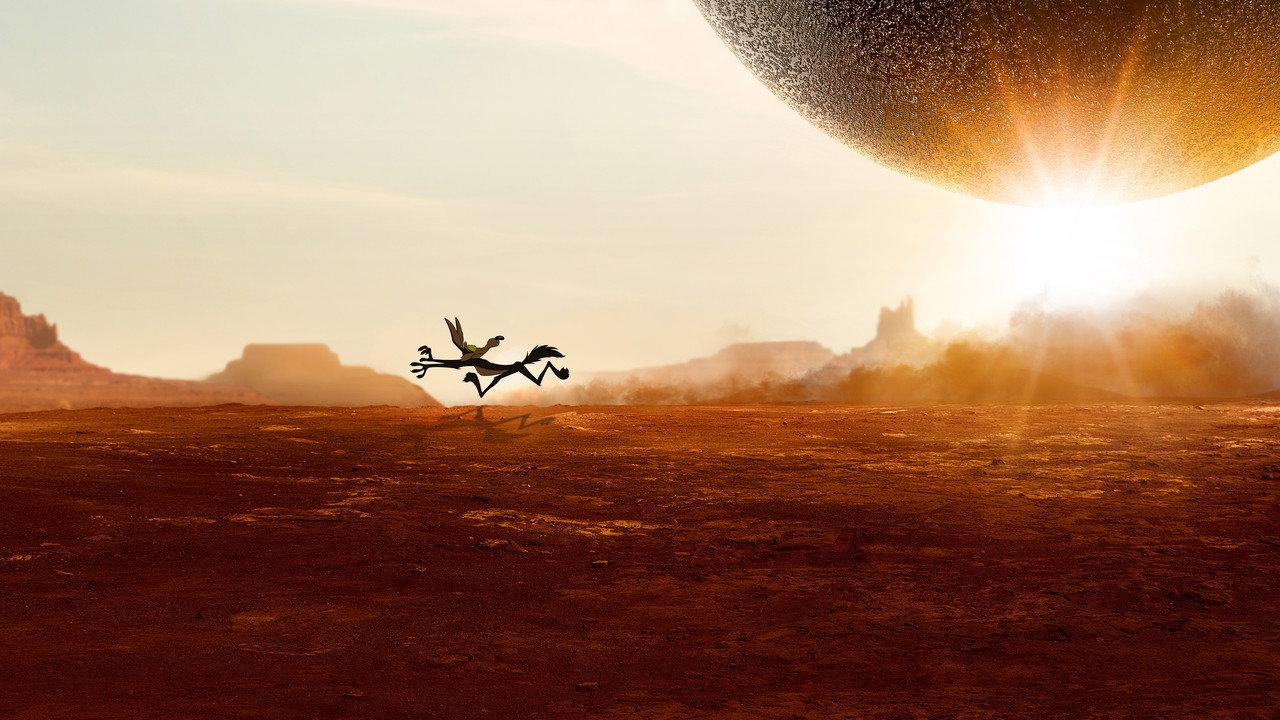
Director Dave Green comes to this from action films and from a genuine study of the Chuck Jones shorts, and both halves of that resume show. The animated mayhem is built from storyboards, practical explosions, a full-size puppet, and pose-to-pose timing that prioritizes classic cartoon rhythm over photorealistic slickness. The result is that the actors appear to be playing off a co-star rather than a tennis ball on a stick. The opening chase, an escalating cavalcade of rocket shoes, magnets, and one misfiring missile, is staged at cinematic scale and stands as one of the film's high points before a word of dialogue is spoken.
What keeps the pace from exhausting itself is the screenplay's willingness to periodically reset the joke counter with a dramatic beat, so the madcap stretches land harder for the pauses between them. Wile E. himself never speaks, communicating through signage, a furrowed brow, and exaggerated movement, and the choice pays off: he is the most expressive figure on screen without a line of dialogue.
Not everything is frictionless. The ending runs a little long, and the film's careful construction is precisely what one dissenting view finds objectionable, arguing it trades true anarchic chaos for something worked out too neatly on paper. There is a real question buried in that complaint, and it is worth sitting with. But the counter-argument is on the screen for most of the runtime: sight gags timed with the confidence of the shorts they descend from, and a corporate satire that has curdled into something unexpectedly pointed given the film's own near-death.
At 103 minutes, this is a family adventure comedy that respects both halves of its audience. It is silly with real craft and smart without turning smug. Whatever the boardroom thought it was throwing away, this was not disposable.
Beyond this line, spoilers
The Conversation
First-person welcome. Pushing back on consensus is a tool, not a formula.
I want to start where the fight is, because the reception on this film is close to a landslide and the one holdout is worth taking seriously. Owen Gleiberman makes the sustained negative case, and his argument is not lazy: he thinks the film is missing the delirious fizz of true anarchic bedlam, too carefully orchestrated to capture genuine cartoon chaos, with the live-action sections flattened into what he calls cartoon monotony. He singles out Will Forte for a one-note performance stuck in desperate high dudgeon.
The majority sees the opposite. Forte gets called spectacular and fully committed, with reviewers leaning on his history of hapless comic personas to argue the role gives him both laughs and something touching. I land closer to the majority, but Gleiberman is pointing at a real structural tension. The film's whole method is control. The animation is built pose-to-pose from storyboards; the explosions are practical; the timing is studied. That is the opposite of improvisation, and Looney Tunes at its purest feels improvised. So the question is whether careful engineering can produce the sensation of chaos, or whether it can only imitate it. I think William Bibbiani has the better read here, that the sight-gag timing genuinely rivals the best of the shorts, but I'll concede this is a film that shows its work, and if you want your bedlam untamed, you will feel the seams.
On Forte specifically: high dudgeon is exactly his register, and whether that plays as one note or as a committed comic engine is close to a coin flip depending on your tolerance for the mode. I found the third-act scene where Kevin and Wile E. each lay their cards on the table and face their own demons did real work, earning the poignant final beats through consequence rather than tacked-on sentiment. That scene is the film's argument against Gleiberman, and it mostly wins.
Cena is the easiest call. He plays Buddy Crane with the shatterproof ego of a rooster and drips phony sincerity all over the corporate-attorney bit. Casting Foghorn Leghorn as the CEO is inspired, and the line about a company of family values that values its family of companies is the kind of zinger that justifies the whole premise.
The context is impossible to ignore and, frankly, improves the film. This thing was shelved as a tax write-off by the same studio it now satirizes, and it opens with a title card branding Warner Bros. a wholly owned subsidiary of the Acme Corporation. The anti-corporate material, shrinkflation, planned obsolescence, AI-staffed help lines, would land regardless. That it was nearly buried by exactly the kind of behavior it mocks turns the satire meta in a way no marketing department could have planned. There is even a fringe reading of the film as a cynical attack on American exceptionalism, which I mention mostly to note how far the reactions spread. I don't buy it. The film is too fond of its hapless hero to be nihilistic about anything.
What would I cut? The ending. Even friendly reviewers concede it overstays by a few minutes, and the film's pleasures are so front-loaded and rhythmic that a slack finish is the one thing that reads as a genuine flaw rather than a matter of taste. Tighten the last stretch and you have a leaner machine.
Where I come down: this is one of the stronger entries in the live-action-and-animation lineage that runs from Who Framed Roger Rabbit through Space Jam and Chip 'n Dale: Rescue Rangers. It returns Wile E. to the big screen with fidelity and gives him a silent, expressive dignity. The unlikely fact of its release is a small miracle. The better news is that the film earns the fuss on its own terms.
Cast & Crew
Who made it, and who’s in it.
Cast

Will Forte
Kevin Avery

Lana Condor
Paige Avery
John Cena
Buddy Crane
Tone Bell
Sal Maltese

Martha Kelly
Dottie Jones

Luis Guzmán
Judge Troppogrosso
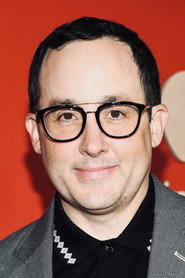
P.J. Byrne
Bill Pellicano
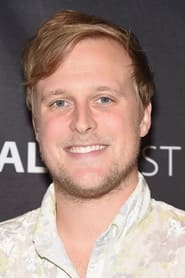
John Early
Henry Heslop

Nancy Linehan Charles
Cherry

Kenneth Choi
Oscar Jeon

Ernie Vigil
Talon

Eric Bauza
Foghorn Leghorn / Daffy Duck / Porky Pig / Elmer Fudd / Bugs Bunny / Tweety / Road Runner (voice)
Crew
Not listed.
Trailer
Plays on YouTube, in a new tab.
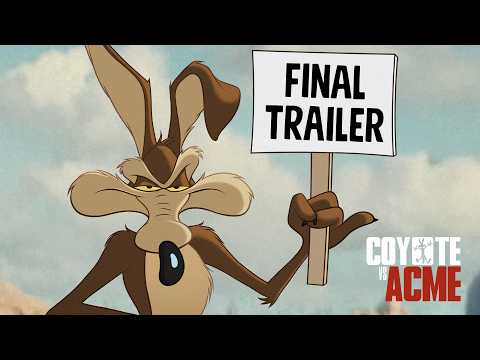 Final Trailer · 2026Watch on YouTube
 Reader response
About the Editor
Derik Silva
Editor-in-Chief
Derik founded The Skry to do for film and television what aggregator culture stopped doing — read closely, score honestly, and defend the score in writing. He believes the long arc is the only arc that matters: the films that earn their reputation by holding up over years, and the ones whose reputations have grown larger than the films can carry. Previously, he founded Travault.
The Skry Dispatch
Read closely, weekly. Reviews and dispatches from The Skry.