

Film Review
Fuze
Aaron Taylor-Johnson · Theo James · Gugu Mbatha-Raw
David Mackenzie's twelfth feature runs a lean ninety-six minutes and it never lets you feel the clock. That is the first thing to say about Fuze, and for a certain kind of viewer it will be the only thing that matters. The premise sounds like a dare: an unexploded WWII bomb surfaces at a Paddington construction site, London begins to evacuate, and a bank heist gets underway in the emptied streets. Two operations, one city, running against the same clock. Mackenzie cuts between the strands with the confidence of a director who has done this before and trusts his editor to hold the line.
Editorial Deep
Score breakdown, defended
Each dimension scores what it scores. The number is the claim; the prose is the defense.
Editorial Layer
Flat mean of the five dimensions below. Contributes 71% to the Skry Score.
Ben Hopkins's screenplay is engineered with real cunning at the structural level: the first-act pivot that redefines the premise is a genuine feat of misdirection, and the dual-clock architecture holds together. The limitation sits at the level of people. Characters are built to serve the plot rather than the reverse, the PTSD backstory is labelled instead of dramatised, and the back third leaves capable actors with roles the writing never imagines. A thriller that stakes everything on withheld information needs the withholding to pay a human dividend, and here it mostly pays a mechanical one. That gap between clever architecture and hollow interior is why it lands in mixed territory rather than competent.
Nuttgens shoots the emptied London clean and glossy, and the visual clarity is doing genuine structural work: cutting between four or five strands without spatial confusion is a compositional achievement before it is an editorial one. The image sustains momentum and keeps the geography legible, which is exactly what a film built on parallel tension requires. The limitation is reach rather than skill; the visual language is polished and controlled without being distinctive, a professional surface rather than a signature one. That is accomplished craft doing its job.
Taylor-Johnson carries the film with a coiled, quiet intensity and is more natural freed from an American accent, and Theo James supplies a relaxed charisma that keeps the criminal strand alive. The leads accomplish what the film asks. The limitation is distribution: the ensemble is deep but unevenly served, with Worthington reduced to a faceless function and Mbatha-Raw stranded by the writing in the finale. The performances that land, land well; the ones that don't fail at the page, not the performer. Judged on what the actors do with what they're given, this is solid work held back by an uneven allocation of opportunity.
This is the film's strongest domain. Mackenzie and Mayer maintain a brisk, controlled momentum with no fat across ninety-six minutes, and the sustained-tension model is executed with confidence. The paranoia of the heist strand generates genuine forward pressure, and the first-act pivot injects fresh energy exactly when a conventional thriller would coast. The limitation is that the drive comes from plot mechanics rather than emotional investment, so the momentum runs slightly cool. But as pure movement, the thing is confidently built and it does not sag.
The structural gambit rewards a second pass: knowing the bomb is a cover changes how the first act reads, and the misdirection was fairly planted. That is real architecture to return to. The limitation is density of character; once the trick is known, the machinery is visible and the people underneath were never rich enough to sustain repeated attention on their own terms. There is a reason to rewatch the construction, less reason to rewatch the company: genuine architectural interest, thin human residue.
Fuze runs on what it withholds, and it withholds with precision; the design that makes it work is also, exactly, how far it can go.
The pleasure here is architectural rather than explosive. This is a thriller built on sustained tension rather than discrete set pieces; the viewer who arrives expecting the kinetic mayhem of a modern heist spectacle should recalibrate. The film is closer to a pressure system than a fireworks display, and its best stretch is the long build in which two operations grind toward each other while the audience holds information the characters don't. Giles Nuttgens shoots it glossy and clean, Tony Doogan's score keeps the pulse elevated, and Matt Mayer's editing does the heavy lifting of making four or five plates spin without smearing.
Aaron Taylor-Johnson anchors the thing with a quiet, coiled intensity, the kind of presence that suggests more going on beneath the surface than the script always bothers to dramatise. He plays a man with a soldier's past, and freed from an American accent he is more natural than he has been in a while; this is a good argument for his continued standing as an action lead. Theo James, as the heist's ringleader, works a relaxed and charismatic register that keeps the criminal side of the ledger watchable. Around them the ensemble is deep but unevenly used. Some strong actors are handed roles the screenplay never fully imagines, and you feel the shortfall most in the film's back third, when the machinery gets busy and the people get thinner.
That is the honest limitation. Fuze is a plot engine of real precision, and the closer you look at the plot the more you notice the characters were built to serve it rather than the reverse. Whether that costs you depends on what you came for. If momentum is enough, the film delivers momentum with skill and no wasted motion. If you need someone to hold onto while the clock runs, you may find the grip loosening as the runtime tightens.
What Fuze is decidedly not is a British crime caper in the wisecracking mode. It plays a straighter, cooler game and it is confident about the distinction. It also declines the shape the premise seems to promise, and it does so early, in a way that reorganises what the rest of the film is about. The film rewards walking in cold, and I'll leave it at that.
This is a smaller film from a director capable of larger ones, and it carries that scale without apology. Fuze wants to be a tight, twisty, professionally assembled genre exercise, and on that count it succeeds more often than it stumbles. Recommended, with the caveat that how much you take from it will track how much you require a thriller's stakes to be personal.
Beyond this line, spoilers
The Conversation
First-person welcome. Pushing back on consensus is a tool, not a formula.
Now the open room, so if you haven't seen Fuze, stop here.
The structural gambit is the whole conversation, so let's start there. The marketing sells you a ticking-bomb movie. The WWII device at Paddington looks like the central premise, and then Mackenzie detonates that expectation at the end of the first act. What reads as the climax is the setup. I admire the nerve of concealing that in the trailer, and I admire the film more for it, because it reframes everything: the evacuation isn't the crisis, it's the cover. Once you understand the heist is the real engine, the paranoia of that strand becomes the thing driving the picture forward even as it gets unwieldy.
And it does get unwieldy. I'm with the read that the bank arc is the most unpredictable strand and the bomb plot loses its edge once its function is revealed. There's a version of this film twenty minutes longer with a cleverer late-game reversal, the kind that retroactively rewrites what you watched, and Fuze gestures at that door without quite walking through it. The pieces are all there on the board; the endgame never quite closes on them.
Here's where I want to sit with the central fault line, because it's real and I don't think it's fully settled. One camp says the pace and the plot machinery are enough; the other says thin characters make the stakes hollow, and points at Hell or High Water as proof that Mackenzie knows how to build tension out of people rather than mechanisms. I think both are right, which is the frustrating part. The comparison to Hell or High Water is fair and a little unfair. That film's tension came from two brothers and a tired lawman you couldn't stop watching. Fuze's tension comes from withheld information. Those are different pleasures, and the second one has a shorter half-life.
The casting critique is sharper than it first sounds. The argument that the calibre of the actors tips the audience off early is a genuine structural problem, not a compliment disguised as a note. When you cast faces this recognisable, you telegraph which pieces matter, and a mystery that depends on us not knowing is fighting its own marquee. I'd add the misuse of the bench: Sam Worthington reduced to a near-anonymous henchman is a waste of a specific presence, and Gugu Mbatha-Raw gets stranded as a police officer who spends the finale looking befuddled. That's a script failure, not an acting one. She's giving what the page allows, which isn't much.
On the dissent that it's simply boring, I part ways. I understand the charge that it's flat and anonymous, that it never capitalises on The Hurt Locker meets Heat, but I didn't find it inert. I found it cool to the touch, which is a different sin and a more forgivable one. Taylor-Johnson's PTSD backstory is a real problem, though: the film labels it rather than dramatising it, hands him a soldier's wound as exposition and asks his face to do the rest. He's good enough that it almost works. Almost.
Where I land: this is a confident smaller movie that would rather be lean and slightly hollow than bloated and sincere, and I respect the choice even when I feel the cost. The ending subverts the type, and the abnormality of it is the film's best argument for itself. If you walked in cold and got hit by the first-act pivot, you probably rate this higher than the plot mechanics strictly earn. That's not a flaw in you. That's the film working exactly as designed, which is also, precisely, its ceiling.
Cast & Crew
Who made it, and who’s in it.
Cast

Aaron Taylor-Johnson
Will

Theo James
Karalis

Gugu Mbatha-Raw
Zuzana

Elham Ehsas
Rahim
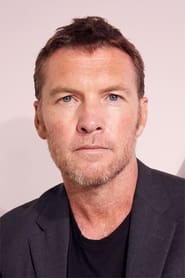
Sam Worthington
X
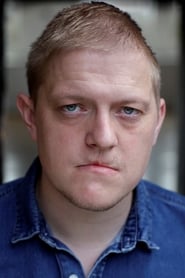
Shaun Mason
Y

Nabil Elouahabi
Z

Honor Swinton Byrne
Clareese

Saffron Hocking
Dootsie

Laurie Duncan
Wardy

Luke Mably
Colonel Headley

Iain Fletcher
General Minton
Crew
Not listed.
Trailer
Plays on YouTube, in a new tab.
 Canadian Trailer · 2026Watch on YouTube
Reader response
About the Editor
Derik Silva
Editor-in-Chief
Derik founded The Skry to do for film and television what aggregator culture stopped doing — read closely, score honestly, and defend the score in writing. He believes the long arc is the only arc that matters: the films that earn their reputation by holding up over years, and the ones whose reputations have grown larger than the films can carry. Previously, he founded Travault.
The Skry Dispatch
Read closely, weekly. Reviews and dispatches from The Skry.