Film Review
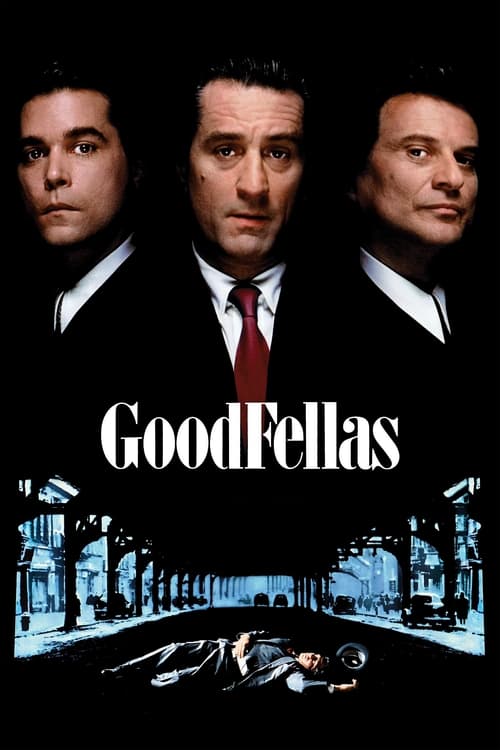
GoodFellas
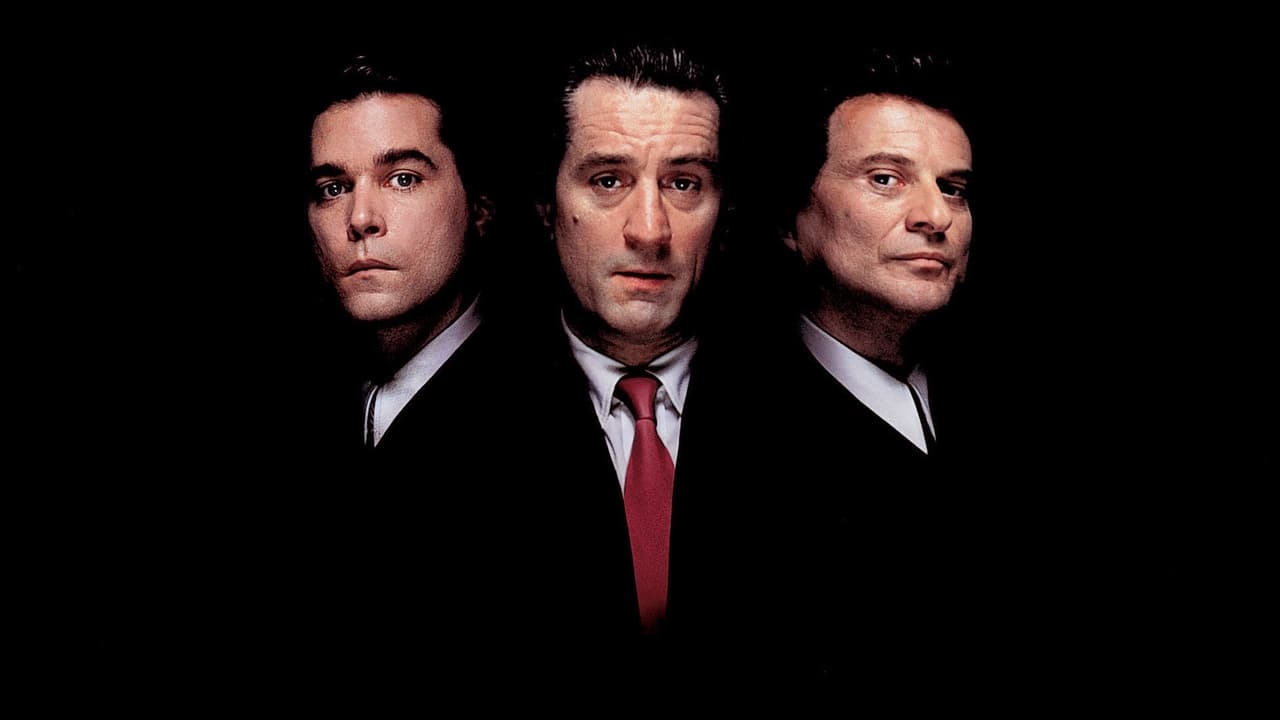
Robert De Niro · Ray Liotta · Joe Pesci
The first thing GoodFellas does is stop a car on a dark road and open a trunk. Before the title even appears, Scorsese hands you a flash-forward whose ugliness he refuses to score for revulsion. Henry Hill, our narrator, watches without horror. That distance is the film's operating principle. For 145 minutes it will place you inside a life it never asks you to condemn, and the withholding of judgment is the whole risk of the thing.
Editorial Deep
Score breakdown, defended
Each dimension scores what it scores. The number is the claim; the prose is the defense.
Editorial Layer
Flat mean of the five dimensions below. Contributes 71% to the Skry Score.
The screenplay abandons the three-act default for a five-part shape: pre-credits flash-forward, narrated preamble, a rise-complication-fall, and a coda, giving the film two beginnings and two endings. This is a deliberate structure and it holds. Its most distinctive move is the connective tissue between scenes, where each exchange ends on a line or gesture that flows into the next, sustaining propulsion across 145 minutes without slack. The narration is used as memoir rather than crutch, and the writing commits fully to refusing moral commentary, which is a harder and riskier discipline than editorializing. The limitation is density: the middle asks a first-time viewer to track more names and allegiances than the pace comfortably allows.
The cinematography is the film's governing intelligence. The camera's grammar is systematically bound to Henry's state: smooth dollies when he is in control, handheld instability when his life fractures, newsreel zooms as he learns the terrain. The Copacabana sequence, an unbroken Steadicam walk from the street through the kitchen into the showroom, is not a flourish but a complete argument for the seductiveness the film needs you to feel. The Layla montage delivers some of the most distinguished individual images in the picture, the freezer-truck shot among them. This is image-making that means something at every cut, and Ballhaus executes it at a level the film's craft reputation still undersells.
This is an ensemble film beautifully cast from leads to bits. Liotta anchors it with a self-delighted physical assurance, gliding through the Copacabana with a near-dancer's ease that carries a character in love with everything at once. Pesci builds volatility from an unscripted-seeming live-wire register, the diner scene tipping from laughter to threat and back inside a breath. De Niro works entirely in restraint, conveying menace through the roll of a cigarette rather than any raised voice. Three distinct performance strategies, all landing, and the supporting bench holds behind them.
Momentum is the film's signature. A 145-minute crime epic that never idles, driven by the scene-to-scene handoffs and by editing that quickens under tension and lingers in the calm. The pre-credits jolt sets a velocity the film sustains, and the coda pays off the whole arc's acceleration. Every minute vibrates with a kind of outlaw energy, and the pacing is the mechanism by which the film seduces before the viewer can resist. This is as controlled a sense of movement as the form offers.
The film openly rewards return trips. What plays as crowded on a first pass, the rush of names and allegiances, resolves on a second into visible architecture: the camera grammar tied to Henry's state, the connective-tissue design between scenes, the deliberate five-part shape. The density that slightly costs a newcomer becomes the reason to come back. The limitation is that its pleasures, once decoded, are legible rather than endlessly mysterious; it opens up fully, then stays open, rather than concealing new depths indefinitely.
The Copacabana walk isn't a stunt; it's the trap being sprung, and the camera makes you feel the pull before you can think your way out of it.
The construction is unusual and worth naming. Instead of the standard three-act climb, the film gives you two beginnings and two endings: a pre-credits jolt, a narrated preamble that reads almost like memoir, then a long rise-and-fall, then a coda. The effect is not sprawl. It is momentum. Scenes hand off to one another on a line or a look, so that a 145-minute picture never once feels like it is idling. This is the rare epic-length film built for velocity rather than weight.
The camera is bolted to Henry's nervous system. When he is confident, it dollies smoothly and holds. When his life comes apart, it goes handheld and jittery. When he is a boy learning the terrain, it snaps in with newsreel zooms. Michael Ballhaus's cinematography is the film's least-credited achievement, and its most famous single gesture — the unbroken walk through the Copacabana's side door, down through the kitchen, and out into the showroom, set to The Crystals — is not a stunt. It is an argument. The seduction the film performs on you is the same one the life performs on Henry, and the camera makes you feel the pull before you can think your way out of it.
Thelma Schoonmaker's editing works in lockstep with that camera: quick cutting when the ground shakes, long lingering holds when it doesn't. Nothing here is decoration. The freeze frames and the fast turns all serve the ensemble, and the ensemble is deep. Ray Liotta carries the picture with a self-delighted physical assurance, almost a dancer's ease, gliding through corridors handing out money. Joe Pesci plays volatility as an unscripted-seeming live wire, laughter that can curdle into threat inside a single sentence and flip back before you exhale. Robert De Niro underplays: menace built from the way a cigarette rolls in the mouth rather than from anything raised or demanded.
What separates this from the operatic register of other crime films is its point of view. This is the world seen from the rank and file, not the boardroom. There is no pyramid of honor here, only the profit motive and the day-to-day labor of it, which the film renders as thrillingly and as flatly as it renders the violence. That flatness is deliberate, and it is where the film's provocation lives. It shows you the glamour first and lets the cost arrive on its own schedule.
The density is real, and a first pass can feel crowded: characters and allegiances arrive faster than a newcomer can file them. The film rewards return trips, when the architecture becomes legible and the connective tissue between scenes reveals itself as design rather than rush. GoodFellas is not interested in making you comfortable, and it does not moralize on your behalf. It trusts you to sit with a story that finds evil genuinely glamorous and lets you decide what to do with that. It remains, more than three decades on, the standard against which this kind of film is measured.
Beyond this line, spoilers
The Conversation
First-person welcome. Pushing back on consensus is a tool, not a formula.
I want to start with the endorsement that has trailed this film for thirty years: Roger Ebert's four-star claim that no finer film has ever been made about organized crime, not even The Godfather. It's the most quoted line attached to the picture, and I think it's both true and slightly the wrong frame. Tom Milne's reading is the more useful one to me. GoodFellas and The Godfather aren't competitors on the same terms. The Godfather blueprints the pyramid from the top, the fathers and the sons and the succession. GoodFellas takes the viewpoint of the workers who never get near the top, and it swaps romantic honor for the profit motive that actually runs the business. Ranking them is a category error. They are doing different jobs.
The consensus is nearly total, which makes me want to take the dissent seriously even though the strongest version of it never quite arrives. The most interesting objection isn't that the voice-over grates or that the violence goes mundane. It's the retrospective argument that the film's magnum-opus reputation may rest on how palatable its style is, that a more difficult Scorsese picture would be the stronger claim to greatness. I'm sympathetic to the discomfort and I still reject the conclusion. The palatability is the point. Scorsese told people outright he wanted the glamour of evil, and that the film would not say what these people do is wrong. The seductiveness isn't a softening. It is the trap being sprung on the audience. A more forbidding version would let you off the hook the film wants you on.
On Scorsese's own shelf, the question stays open and I don't want to close it. There's a real case that this ranks behind Raging Bull and Taxi Driver, and I hold that case gently. Where I land is that GoodFellas is the most complete integration of the devices he'd been developing since Mean Streets. The slow motion, the freeze frames, the narration, the Truffaut-derived collage of quick cuts and location jumps: they cohere here into a single grammar rather than sitting as flourishes. Whether that makes it his best or his most fluent is a distinction I'm happy to leave standing.
The set pieces earn their reputations. The Copacabana Steadicam shot is the obvious one, and what I'd add is that its power is inseparable from Liotta's face inside it. He's playing a man in love with Karen and with himself and with the status of the walk all at once, and the unbroken shot is the only form that could hold all of that simultaneously. The 'How am I funny?' diner scene is the Pesci showcase everyone cites, and it works because the flip back to warmth is quicker and scarier than the threat. The Layla montage contains some of the most distinguished individual images in the film, the freezer-truck shot among them, and Scorsese runs it cool, methodical zooms over methodical corpses.
What would I cut? Honestly, very little, and that's rare for a film this long. The connective tissue is the achievement. If I were being ruthless I'd say the middle stretch asks a first-time viewer to hold more names and alliances than the pace allows, and some of that density plays as noise before it plays as design. But that's the cost of the film's ambition, not a flaw in it.
The six Oscar nominations and Pesci's win feel about right for what the Academy could see; losing Best Picture to Dances with Wolves the same year 34 of 80 polled critics called this the year's best is one of those verdicts that ages into an indictment of the voters, not the film. The National Film Registry got there in 2000. The Sopranos inherited its DNA whole. Three decades on, the argument isn't whether GoodFellas is major. It's only which kind of major, and that's a good argument to still be having.
Cast & Crew
Who made it, and who’s in it.
Cast
Robert De Niro
James Conway
Ray Liotta
Henry Hill

Joe Pesci
Tommy DeVito

Lorraine Bracco
Karen Hill
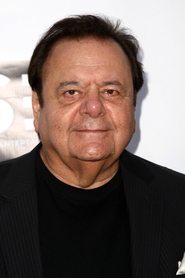
Paul Sorvino
Paul Cicero
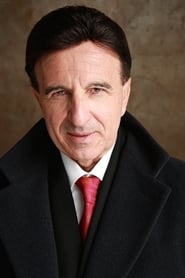
Frank Sivero
Frankie Carbone
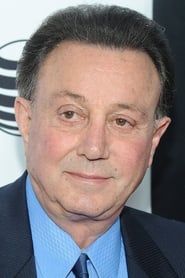
Tony Darrow
Sonny Bunz
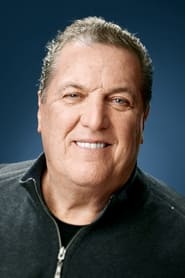
Mike Starr
Frenchy
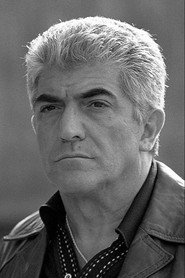
Frank Vincent
Billy Batts
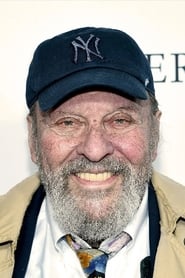
Chuck Low
Morris Kessler
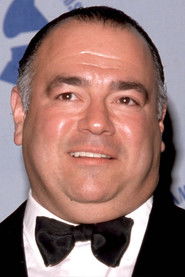
Frank DiLeo
Tuddy Cicero
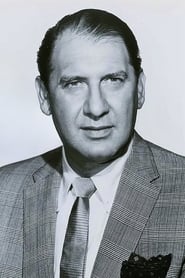
Henny Youngman
Henny Youngman
Crew
- DirectorMartin Scorsese
- ScreenplayNicholas Pileggi
- Director of PhotographyMichael Ballhaus
- EditorThelma Schoonmaker
Trailer
Plays on YouTube, in a new tab.
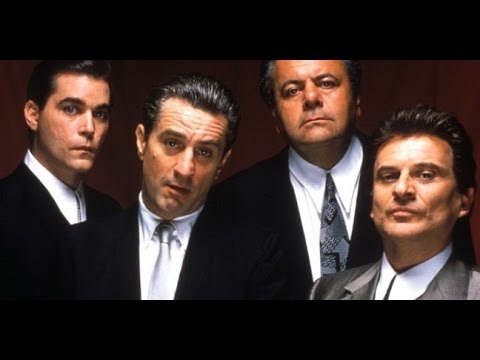 2011Watch on YouTube
 Reader response
About the Editor
Derik Silva
Editor-in-Chief
Derik founded The Skry to do for film and television what aggregator culture stopped doing — read closely, score honestly, and defend the score in writing. He believes the long arc is the only arc that matters: the films that earn their reputation by holding up over years, and the ones whose reputations have grown larger than the films can carry. Previously, he founded Travault.
The Skry Dispatch
Read closely, weekly. Reviews and dispatches from The Skry.