
Film Review
No Country for Old Men
Javier Bardem · Tommy Lee Jones · Josh Brolin
The Coen brothers open No Country for Old Men with a voice, not an image: Sheriff Bell narrating over West Texas emptiness, an old lawman measuring a country he no longer recognizes. Tommy Lee Jones delivers this monologue with a restraint that borders on hush, and the film never raises its volume much above it. That is the first thing to understand about this picture. It is a chase thriller and a Western built almost entirely without a musical score, and it uses the silence as a pressure system. The Coens wrote, directed, produced, and cut the film themselves, and you feel that singular control in every held second.
Editorial Deep
Score breakdown, defended
Each dimension scores what it scores. The number is the claim; the prose is the defense.
Editorial Layer
Flat mean of the five dimensions below. Contributes 71% to the Skry Score.
The adaptation trusts behavior over exposition and builds its whole architecture around a refusal of the payoff the genre trains you to expect. That refusal is not an accident of structure but its argument: violence lands sideways, the protagonist dies off screen, and the film hands its close to the sheriff's frame rather than the chase's resolution. Dialogue does maximum work with minimum quantity, the coin-toss motif carries the moral engine, and the deviation from classical shape is executed with intent. The limitation is that the same design alienates viewers who read the withheld climax as a broken promise, and the film makes no concession to them.
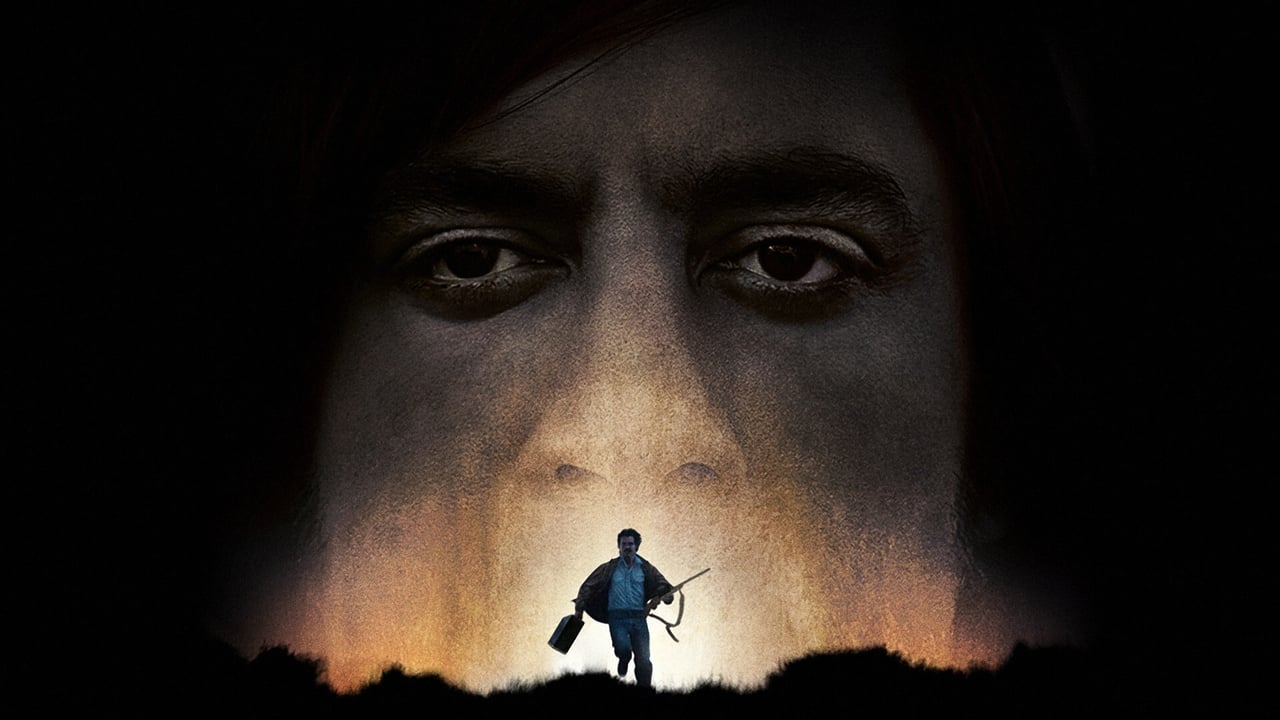
Deakins photographs the Texas dark as something with mass, lighting a night approach from the landscape behind the subject so a man becomes a silhouette cut from blue moonlight, a background-lit technique of real ingenuity. The editing coordinates shots of characters scanning their environment with point-of-view returns, constructing a visual regime where scrutiny replaces momentum. The image is confident and doing conceptual work rather than decorative work. The coordinated darkness and the scanning regime are the two moves that hold the picture, and they hold it well.
Bardem constructs Chigurh from physical discomfort outward: a stiff carriage, sustained and unbearable eye contact, an administrative ease with killing, and the gas-station scene shows how much terror he generates with no violence at all. Jones anchors the film's moral frame with an emotionally restrained vocal precision that plays obsolescence without asking for sympathy. Brolin gives the hunted man a watchful competence that makes the pursuit legible. Three performances, three distinct registers, all serving the design rather than competing with it.
The film's rhythm is a deliberate pressure system: silence in place of score, dread built from a light bulb's screech before gunfire, tension accumulated through waiting rather than motion. When it works, the slowness is unbearable in the right way. The honest limitation is that the same cultivated slowness, stretched across the midsection, tips from dread into stall for a portion of even engaged viewers, and the withheld climax leaves some of that accumulated tension without conventional release. The intent is coherent; the execution asks more patience than a share of the audience will extend.
A second pass rewards the viewer who now knows the ending refuses catharsis, because the coin-toss motif, the opening monologue, and the point-of-view scanning all read as setup for a design that only resolves thematically. The behavioral acting reveals more when you are not waiting for plot. The film's Gnostic and moral undercurrents, the deliberate music-free sound field, and the structural deviation are built to be re-examined rather than merely re-watched. There is genuine architecture here to return to.
It is a Western built almost entirely without a score, and it turns the silence into a pressure system you cannot escape.
The plot machinery is simple. A man finds a satchel of money at the site of a drug deal gone wrong, and a killer comes looking for it. What the Coens do with that machinery is patient and merciless. Roger Deakins photographs the Texas dark as a thing with weight; one nighttime approach to a pickup truck is lit from the landscape behind rather than any conventional source, so a man moves as a silhouette carved out of blue moonlight. The camera keeps cutting to characters scanning their surroundings, and those point-of-view returns slow the film to a scrutiny. Momentum here is not speed. It is the sense that someone is always watching, and always about to arrive.
Javier Bardem plays the killer, Anton Chigurh, and the performance is the reason the film unsettles the way it does. Bardem built the man from the outside in: a stiff, slightly clumsy carriage, a habit of holding eye contact past the point of comfort, an ease with violence that reads as almost administrative. He is terrifying without hurry. The gas station scene, where he asks a bewildered proprietor what the most is he has ever lost on a coin toss, contains no bloodshed and remains the most frightening stretch in the film. It is two men, a counter, and the slow dawning that a stranger's life is being decided by a rule only one of them understands.
Josh Brolin gives the pursued man a competent, watchful physicality, a hunter who knows he is now the hunted. The midpoint hotel confrontation, where the two finally exchange fire through a closed door, is staged with a craftsman's economy. Skip Lievsay's sound work earns its place here: a light bulb's faint screech in the seconds before the shooting starts, a detail you register in your spine before your ears. The Coens adapt McCarthy by trusting behavior over exposition, letting people reveal themselves through what they do and how they move rather than what they explain.
The film asks for patience and a tolerance for a story that refuses to resolve on the beat you expect. It withholds catharsis on purpose, and that withholding is either the point or the problem depending on the viewer. What is not in dispute is the level of the craft. The image, the sound design, the three central performances, and the control over rhythm are working at the height of what this filmmaking team can do. It runs 122 minutes and does not waste them, though it spends some of them making you wait in ways a more conventional thriller never would. Come for the coin toss. Stay for a picture that means every silence it holds.
Beyond this line, spoilers
The Conversation
First-person welcome. Pushing back on consensus is a tool, not a formula.
Here is where I want to argue with the people who call this overrated, because their complaint is real and I still think they are wrong.
The charge is well known by now. Moss dies off screen, killed by cartel figures we barely register, and the film keeps going for a good stretch after his death into Bell's disquiet and retreat. Audiences at release stirred restlessly. At least one viewer who spent most of the runtime convinced this was the best film in a decade walked out calling it crap on the strength of the final five minutes. That reaction is not stupidity. The film spends two hours training you to want a confrontation between Chigurh and Moss that pays off the chase, and then it denies you the confrontation, denies you the hero's death as a scene, and hands the ending to an old man's dream about his father. If you came for a thriller's climax, you were robbed.
But I read the denial as the whole design rather than a failure of it. The Coens deviate from classical structure precisely to illustrate what the film is built around: violence that arrives sideways, by chance, indifferent to whether you have earned a proper death scene. Moss dying off screen to men who are not his nemesis is the argument. A conventional showdown would have told you the universe keeps a ledger. This film insists it does not. That is why the coin toss recurs as a motif and why Chigurh treats a call of heads or tails as a moral instrument. The one positive case I find most persuasive is that this works better than most morality tales because there is no morality underneath it. Take the nihilism away and you have a genre exercise. Leave it in and you have the thing that lingers.
What I would push on is the middle. The narrative slowness the Coens cultivate through all that environmental scanning is a genuine achievement of tension, but it is also where the pacing complaint has teeth. There are passages where the scrutiny tips from dread into stall, and a viewer who does not feel the design working simply feels the clock. I do not think the runtime is bloated so much as deliberately unaccommodating, and those are different things that produce the same restlessness in a resistant audience.
Bardem is the performance everyone leaves remembering, and that is fair, but I want to defend Jones, who does the quieter and harder job. His Bell is the film's frame and its casualty. The opening monologue sets a moral weather the plot then overwhelms, and Jones has to play a man watching his own obsolescence in real time, all of it in a register of vocal control that never once reaches for our sympathy. The film is named for him, not for the killer, and the ending only reads as anticlimax if you forget whose story you were actually in.
If I were cutting, I would look hard at the stretch between the hotel shootout and the final movement, not to speed the film up but to sharpen the sense that the slowness is purposeful rather than habitual. There is a version of this that loses a few minutes and loses nothing else. But that is a note about polish on a picture that is otherwise operating at the top of its makers' range. This is the Coens with total authorship over the image, the sound, the cut, and the silence, and the discipline of that control is everywhere in the frame. The dissent is honest and I understand it. I just think the thing the dissenters want the film to be would be a smaller film than the one it is.
Cast & Crew
Who made it, and who’s in it.
Cast
Javier Bardem
Anton Chigurh
Tommy Lee Jones
Ed Tom Bell
Josh Brolin
Llewelyn Moss

Woody Harrelson
Carson Wells

Kelly Macdonald
Carla Jean Moss
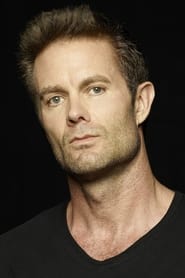
Garret Dillahunt
Wendell
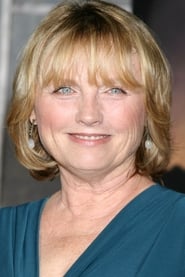
Tess Harper
Loretta Bell
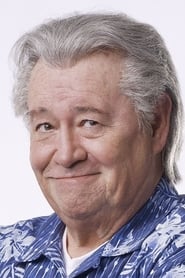
Barry Corbin
Ellis
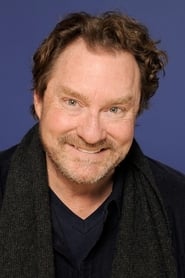
Stephen Root
Man Who Hires Wells
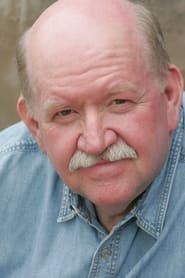
Rodger Boyce
El Paso Sheriff

Beth Grant
Carla Jean's Mother

Ana Reeder
Poolside Woman
Crew
- DirectorJoel Coen
- DirectorEthan Coen
- Director of PhotographyRoger Deakins
- Original Music ComposerCarter Burwell
Trailer
Plays on YouTube, in a new tab.
 Official Trailer · 2014Watch on YouTube
Reader response
About the Editor
Derik Silva
Editor-in-Chief
Derik founded The Skry to do for film and television what aggregator culture stopped doing — read closely, score honestly, and defend the score in writing. He believes the long arc is the only arc that matters: the films that earn their reputation by holding up over years, and the ones whose reputations have grown larger than the films can carry. Previously, he founded Travault.
The Skry Dispatch
Read closely, weekly. Reviews and dispatches from The Skry.