Film Review
Pulp Fiction
John Travolta · Samuel L. Jackson · Uma Thurman
Thirty years on, the surprise of Pulp Fiction is how little of its charge came from novelty and how much came from construction. The film is built as three linear short stories, 'Vincent Vega and Marsellus Wallace's Wife,' 'The Gold Watch,' 'The Bonnie Situation', arranged out of sequence and bracketed by a diner robbery that only resolves once you have lived through the chronological gaps between. Nothing is withheld to be clever. The design pays off because each chapter works as a self-contained piece before it clicks into the larger shape.
Editorial Deep
Score breakdown, defended
Each dimension scores what it scores. The number is the claim; the prose is the defense.
Editorial Layer
Flat mean of the five dimensions below. Contributes 71% to the Skry Score.
The screenplay is the film's governing achievement. It builds three self contained linear stories and sequences them out of order so each reads complete before the whole resolves, with the diner robbery bookend legible only in retrospect. Its radical choice is to let characters talk for the full running time rather than the plot serving third, and the dialogue accumulates character and texture instead of merely advancing story. The Jules arc converts a piece of intimidation into an actual moral turn by the diner climax, which is genuine dramatic architecture, not surface. The command of structure and voice here is distinctive and sustained.
Sekuła's widescreen images are pin sharp and richly saturated, giving the film a Pop Art cleanness that deliberately set it apart from the grainy indie look of its moment. The visual work is expressive rather than decorative: Jack Rabbit Slim's is lit and composed as theatrical stylization, a bright stage set pocket sealed off from the film's grimier registers, so the image itself carries tonal information. The compositional confidence is consistent across radically different environments. The limitation is that the visual scheme serves the writing rather than pushing an independent formal argument.
Jackson anchors the ensemble with a performance that is explosive and commanding, his recurring monologue turning menace into moral weight across the runtime. Travolta plays Vincent with a heavy lidded ease that makes danger read as boredom, a genuinely counterintuitive choice that works. The bench is deep and the world feels populated rather than cast. The ensemble delivers the script's demand that talk itself be the performance with clarity and range.
The film moves by conversation as much as by incident, and Menke's editing modulates that rhythm precisely: long takes let dialogue breathe, then rapid cuts crank tension nonverbally, all scored by needle drops that keep every beat close to the surface. The momentum is real but deliberately unhurried. At 154 minutes it asks you to sit inside talk a leaner crime picture would trim, and whether that patience reads as substance or indulgence is a live question the film accepts. It succeeds at the pace it chooses; the cost is that the pace tests some viewers.
This is a film engineered for return. The nonlinear construction means the diner prologue and epilogue only pay off once you have lived through the chronological gaps, and the structure is dense enough that it resists memorization across many viewings. The dialogue rewards relistening the way few crime films do, and the allusive layering gives repeat viewers new footholds. The architecture is built to be revisited, and it holds up as a machine for that.
The imitators took the surface. Nobody reproduced the balance, and that is why a picture built on people talking still talks better than almost anything that followed it.
Quentin Tarantino, on his second feature, works on a wider canvas than the chamber-piece tension of Reservoir Dogs allowed, and the screenplay co-written with Roger Avary is the engine. This is a talking picture in a way most crime films are afraid to be. Characters converse for the full running time rather than trading only the lines a plot requires. The dialogue does not exist to move pieces around a board; it accumulates texture, so that a debate about a fast-food menu carries the same weight as a threat. That confidence is the film's real gamble, and it holds.
Andrzej Sekuła's cinematography gives the whole thing a pin-sharp, richly hued widescreen surface with a Pop Art cleanness that separated it from the grainy indie register around it. The look is not incidental. Jack Rabbit Slim's, the 1950s-themed restaurant where Vincent and Mia end up at a twist contest, is lit and composed as pure theatrical stylization, a bright pocket set apart from the film's grimier corners. Sally Menke's editing does comparable work without calling attention to itself: long takes let a conversation breathe, then a burst of quick cuts and camera moves cranks the tension in a confrontation, all of it managed without a line of expository help.
There is no composed score. The film runs entirely on needle drops, some of them playing inside the story world, and that choice is why it still feels unplaceable in time. A surf-rock instrumental and a soul standard arrive not as mood wallpaper but as events. The absence of orchestration keeps everything close to the surface of the scene.
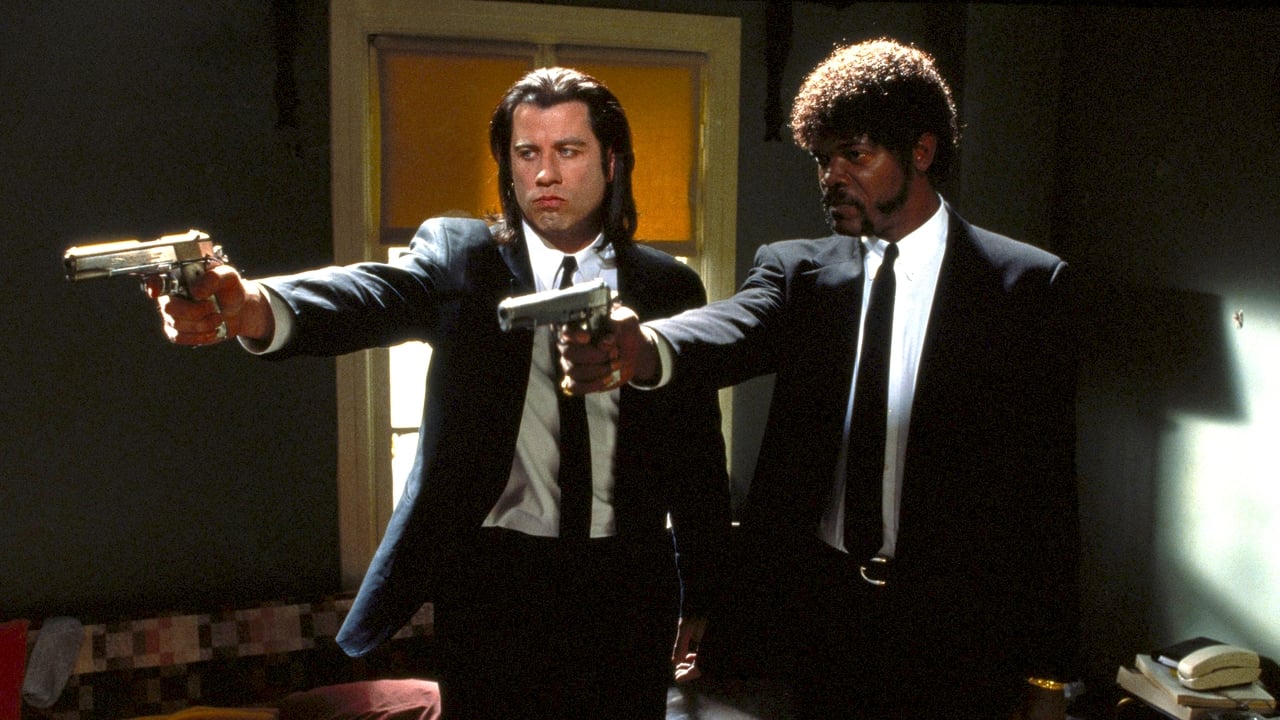
Samuel L. Jackson's Jules is the performance the film organizes itself around, explosive and commanding, his recurring scripture monologue functioning as both menace and, eventually, hinge. John Travolta plays Vincent with a heavy-lidded ease that makes the character's danger feel almost incidental to his boredom. Uma Thurman, Bruce Willis, Ving Rhames, Harvey Keitel and a deep bench of smaller turns fill out a world that feels populated rather than staffed.
At 154 minutes it is long, and it wants you to sit in conversations that a tighter crime picture would cut. Whether that patience reads as indulgence or as the whole point is the argument the film has always invited. My own view is that the length is load-bearing: the talk is the substance, not the delay before it.
Beyond this line, spoilers
The Conversation
First-person welcome. Pushing back on consensus is a tool, not a formula.
I want to take the dissent seriously, because it is the most interesting thing to argue about here. The sharpest case against Pulp Fiction now is temporal: the nonlinear structure, the casual violence set to a cool music cue, the philosophizing hitmen — all of it has been copied so relentlessly since the mid-nineties that the shock is gone, and a rewatch can feel like touring a museum of your own influences. There is a real version of this complaint that says the film is beautifully made junk food, a pop-culture theme park with no floor under it.
I don't buy the 'meaningless' framing, but I understand where it comes from. The film does fit the postmodern-surface description almost too neatly, a stack of allusions to B-movies and blaxploitation and Corman, decades of pop presented all at once. Roger Ebert's counter is the one I keep returning to: he argued the writing is so alive in its scruffy, fanzine way that it exposes the hollowness of formula screenwriting, and that the construction is such that you can watch it a dozen times without being able to predict what comes next. That is not the description of empty pastiche. It is the description of a thing built to be re-entered.
The Jules arc is where the 'no depth' argument runs into trouble. The Ezekiel monologue is a joke at first, a piece of intimidation theater, and by the diner standoff at the end it has become the load-bearing beam of an actual moral turn. Samuel L. Jackson has said the script's radical talkiness is what made him read it twice on the spot to be sure it was as good as it seemed, and you can see why: the character talks his way into a change of life, which is not something the imitators ever managed to reproduce.
On Ebert versus the 2020 rewatch position — whether the innovations still enthrall or have been dulled by imitation — I think both are true and the film survives it. Todd McCarthy's read, that the distinguishing thing is tonal control, comedy and menace and philosophy held in balance rather than exploitation for its own sake, is the tiebreaker for me. The imitators took the surface. Nobody reproduced the balance.
The harder conversation, and the one the film has to carry into its fourth decade, is the one about what has not aged well. The casual racism and the misogyny are in the text, not smuggled in, and a straight-faced defense of the legacy has to hold that in the same hand as the craft. I don't think you resolve it by pretending it isn't there or by throwing the whole thing out. It complicates the love, and it should.
The adrenaline shot into Mia's chest is my favorite single demonstration of what the film does that its copiers couldn't. It is a resurrection scene played as slapstick horror, recalling a genre convention and detonating it in the same gesture. Kevin Maher, reassessing it decades later, landed on a perfect score, and I think that instinct is right even if I'd argue the runtime tests you. It won the Palme d'Or in a year many expected Kieślowski to take it, made two hundred million dollars off an eight-million-dollar budget, and revived Travolta's career whole. But the reason it endures isn't the numbers. It's that the writing still talks better than almost anything that came after it.
Cast & Crew
Who made it, and who’s in it.
Cast
John Travolta
Vincent Vega

Samuel L. Jackson
Jules Winnfield

Uma Thurman
Mia Wallace

Bruce Willis
Butch Coolidge
Ving Rhames
Marsellus Wallace

Harvey Keitel
The Wolf
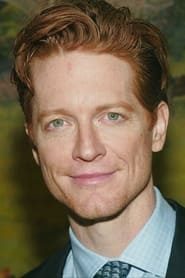
Eric Stoltz
Lance
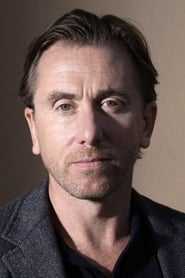
Tim Roth
Pumpkin

Amanda Plummer
Honey Bunny

Maria de Medeiros
Fabienne

Quentin Tarantino
Jimmie Dimmick
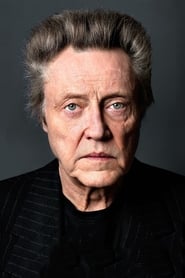
Christopher Walken
Captain Koons
Crew
- DirectorQuentin Tarantino
- Director of PhotographyAndrzej Sekula
- EditorSally Menke
Trailer
Plays on YouTube, in a new tab.
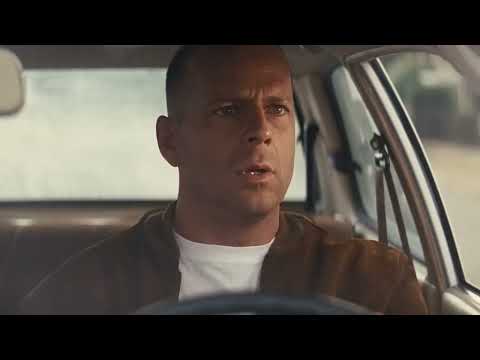 Official Trailer · 2014Watch on YouTube
 Reader response
About the Editor
Derik Silva
Editor-in-Chief
Derik founded The Skry to do for film and television what aggregator culture stopped doing — read closely, score honestly, and defend the score in writing. He believes the long arc is the only arc that matters: the films that earn their reputation by holding up over years, and the ones whose reputations have grown larger than the films can carry. Previously, he founded Travault.
The Skry Dispatch
Read closely, weekly. Reviews and dispatches from The Skry.