TV Review
Breaking Bad
Bryan Cranston · Aaron Paul · Anna Gunn
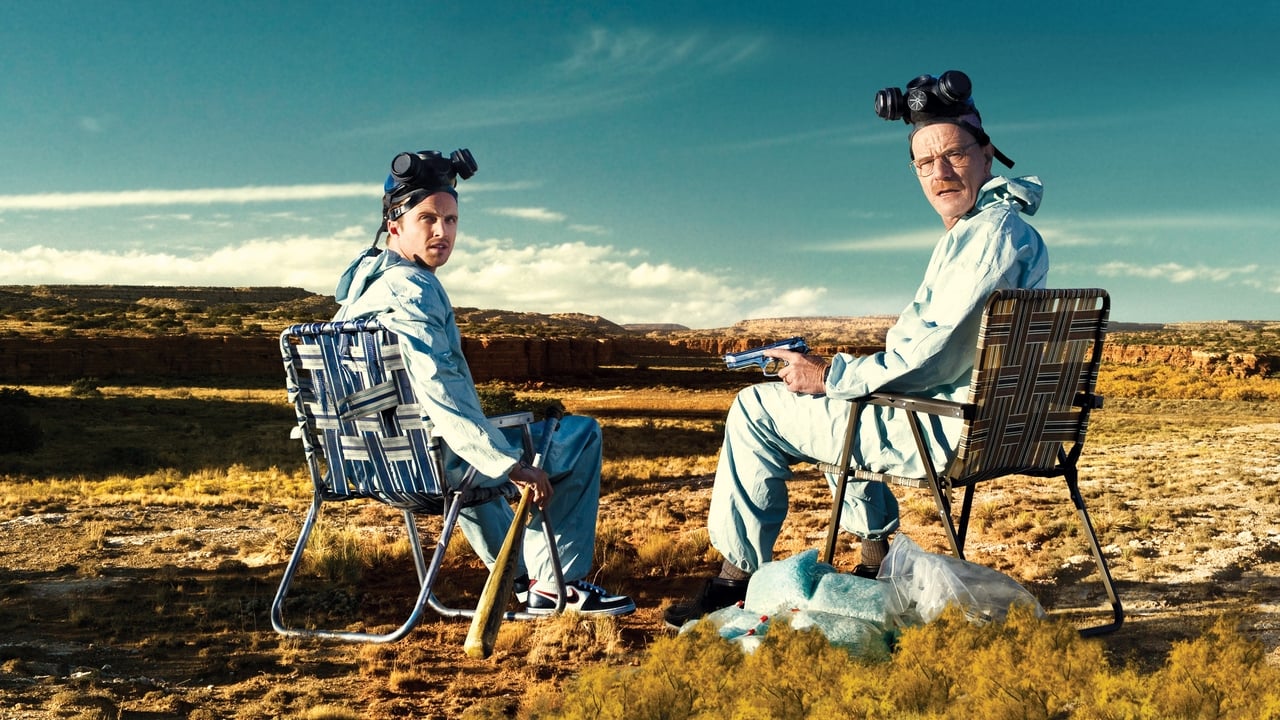
Breaking Bad opens by putting its climax first. A middle-aged man in underpants and a gas mask stands in the desert, gun raised, sirens closing in. Then it rewinds into ten minutes of the most mundane domestic exposition on television, and the trick works: the pilot buys the patience to build a chemistry teacher before it breaks him. Vince Gilligan directs only five of the run's episodes himself, but his structural fingerprints are everywhere. The governing principle is that the in-between moments of a transformation, not the crime-movie set pieces, are where the story actually lives. That is why entire hours go to the consequences of a single act, to the disposal of a body, to the arithmetic of a lie. The show is patient with process because process is the character.
Editorial Deep
Score breakdown, defended
Each dimension scores what it scores. The number is the claim; the prose is the defense.
Editorial Layer
Flat mean of the five dimensions below. Contributes 71% to the Skry Score.
The writing operates on a five-act discipline that binds every beat to both plot and character, and its thematic architecture holds from the pilot's 'study of change' line to the finale's convergence of pride, family, and legacy. It commits fully to a hard premise: that the consequences and in-between moments are the real drama, which produces its most distinctive structural choices. The honest limitation is the first-half pacing, where early threads are introduced and then parked, and a narrowness in how it writes figures outside Walt's orbit. Neither undermines the central arc, which is among the most tightly engineered in long-form television.
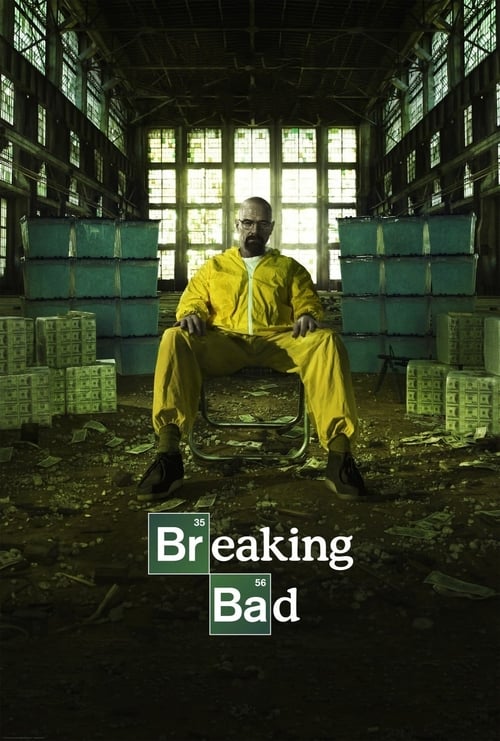
The visual language is thesis-driven and consistent: Walt's darkening wardrobe, the blue product staged against bleached desert, the Western-scale New Mexico light that leaves the moral action exposed. Composition serves character, as in the extreme close-up work of Crawl Space, where the frame tightens until a performance of control collapses. The image is doing argument, not decoration, across the run. It sits just below the top band because the symbolic scheme is legible enough to occasionally announce itself rather than dissolve into the drama.
Cranston's Walter White is the rare performance that carries a series' entire moral experiment on its back, holding the character sympathetic past the point his choices should forfeit sympathy, which is the mechanism the whole show depends on. He modulates from performed competence to visible collapse without ever letting the seams show early. The ensemble sustains the pressure around him with real depth. This is command of a role that reshaped what the antihero performance could do, and the score reflects that distinctive achievement rather than mere competence.
The momentum is deliberate by design, extracting dread from process and consequence rather than incident, and when it lands it produces the doubled dread-and-crave pull the show is famous for. The rhythm is a genuine achievement in patience. The limitation is concrete and internal to the show's own method: the first half lets threads slacken, and the later escalation occasionally tips toward the operatic, so the forward drive is less uniform than the craft elsewhere. This is a strong, intentional pace with real soft stretches, not a failure of tension.
The architecture is built for return. The pilot seeds the finale, the color scheme tracks corruption scene by scene, and the small moments reward re-viewing more than the set pieces do, which is the mark of density rather than spectacle. Read as a unified study of pride and lying across five seasons, the show yields new structural connections on a second pass. The reasons to return are formal and earned, placing it well into the exceptional band for what a second viewing recovers.
A show engineered to be dreaded and craved in the same breath, where the transformation, not the crime, is always the real story.
Bryan Cranston is the reason the patience pays. His Walter White is a study in performed control, a man whose competence is a costume he keeps adjusting. The great achievement is that Cranston keeps him legible, even sympathetic, past the point where his choices should forfeit our loyalty. That split between what we want for Walt and what we know about him is the show's most uncomfortable and durable effect. Watch the classroom scene where he defines chemistry as the study of change; the whole arc is folded into that one line, and Cranston delivers it as if he doesn't yet know he's describing himself.
The visual grammar is deliberate to the point of thesis. Walt's wardrobe darkens as he descends. The blue of the product sits against the bleached desert like a stain that won't blend. Gilligan has called the series a modern Western, and the New Mexico light does the genre's work: wide, indifferent, morally exposed. The writing room built each episode in five acts off a corkboard of notecards, and you can feel that engineering in how cleanly every beat serves both plot and person at once. Nothing here is loose by accident.
The show is not for every viewer, and it doesn't pretend to be. Its world is negative and disconnected by design, withholding hope as a matter of principle rather than oversight. For some that relentlessness is the point and the power. For others it's a wall you can't get over, and that reaction is legitimate rather than a failure of nerve. There are also real seams. The first half of the run leaves plot threads dangling in ways the show never fully squares, a pacing problem of laying track and then treading over it. The moral darkness is a genuine fork in the road, not a flaw to be argued away.
What holds across five seasons is the unity of the thing. Few long-form dramas keep their thematic architecture this tight from pilot to finale, and fewer still make the tightening itself the source of dread. Taut, efficient, cut with something close to a scalpel. It is a show you can dread and crave at once, and that doubled pull is exactly what it was engineered to produce.
Beyond this line, spoilers
The Conversation
First-person welcome. Pushing back on consensus is a tool, not a formula.
I want to start with the pilot, because it explains everything the show becomes. Putting the desert climax up front is not just a hook; it's a promise that this series will always be more interested in how Walt arrives somewhere than in the arrival itself. Once you accept that, the slow episodes stop being slow. The hour spent on a body in a bathtub is the actual genre. Gilligan said the in-between moments are the story, and the finale proves he meant it: that last scene pulls pride, family, and legacy into one room and closes the ledger without cheating.
Cranston is the engine and I don't think that's controversial. The 'I am the one who knocks' monologue gets forensically dissected for good reason, but I'm more moved by Crawl Space in the fourth season, where the camera pushes into his bruised face until the man-in-control performance simply falls apart on screen. That's the whole show in one close-up: Heisenberg was always a costume, and here we watch the seams give. Anthony Hopkins calling it the best acting he'd seen is the kind of superlative I usually distrust, but the specific mechanism Cranston pulls off, keeping Walt likable after the unforgivable, is real and is probably the most influential thing the series did.
Now the harder part. Kate Warner's dissent deserves to be taken at full weight, and I won't soften it. She grants the show is brilliantly acted and shot and still argues against it on four grounds: gender, thin characterization, the absence of any community, and racial stereotyping, particularly the flatness of its Mexican characters. That last charge lands. The show's moral universe is meticulous about Walt's interiority and casually one-dimensional about a lot of the people in his path. You can love the craft and concede the world it builds is narrow.
The gender question connects to something outside the frame. Anna Gunn playing Skyler drew genuine online hostility, which she read as discomfort with a woman who refuses the wife-as-obstacle role. I think the writing is partly complicit there, though not in the way the angry viewers meant; the show is so locked into Walt's point of view that anyone braking his descent reads as friction. That's a structural cost of the antihero form, and Breaking Bad inherits it from The Sopranos while making it worse by starting Walt from a more relatable, sympathetic place.
The self-indulgence complaint I'm less persuaded by, though I'll name it. One line of dissent is that scenes run past narrative necessity for the sake of image and dialogue. Sometimes true. Mostly I think that duration is the method, not vanity. There's a separate and sharper critique that the later seasons lose nuance and start performing themselves, and I'd split the difference: the escalation occasionally tips into the operatic, but the finale isn't the mockery its harshest readers describe.
If I were cutting, I'd cut in the first half. The 'spoiling and treading' problem is real: threads introduced early get parked and half-forgotten while the show finds its legs. That's the one place where the five-act corkboard discipline slips, and it's the strongest craft argument against the show's own reputation for airtightness.
What keeps me on the acclaim side is the architecture. Read as a sustained study of pride as the will to bend reality to your own wants, with lying as the mechanism, the series is unusually unified across all five seasons. The reasons to return aren't nostalgia; they're structural. The pilot seeds the finale, the color scheme tracks the corruption, and the small moments reward the rewatch more than the set pieces do. That's rare, and it's why the prestige-TV lineage runs so visibly through this one.
Cast & Crew
Who made it, and who’s in it.
Cast
Bryan Cranston
Walter White
Aaron Paul
Jesse Pinkman
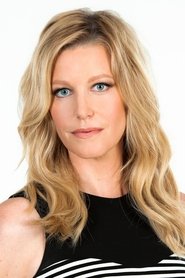
Anna Gunn
Skyler White
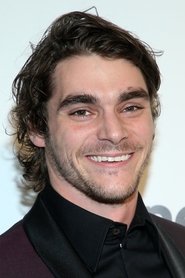
RJ Mitte
Walter White Jr.
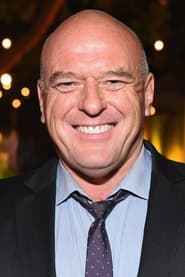
Dean Norris
Hank Schrader

Betsy Brandt
Marie Schrader
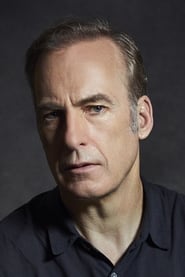
Bob Odenkirk
Saul Goodman
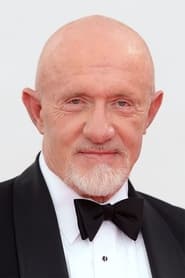
Jonathan Banks
Mike Ehrmantraut

Steven Michael Quezada
Steven Gomez
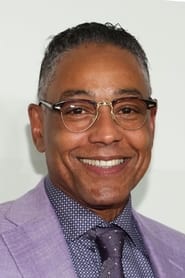
Giancarlo Esposito
Gus Fring
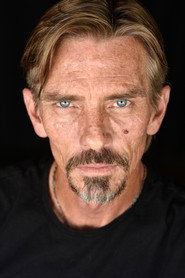
Charles Baker
Skinny Pete
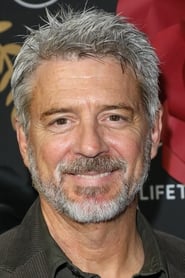
Christopher Cousins
Ted Beneke
Crew
- CreatorVince Gilligan
- DirectorMichelle MacLaren
- DirectorAdam Bernstein
- DirectorColin Bucksey
- DirectorMichael Slovis
- DirectorTerry McDonough
- DirectorBryan Cranston
- DirectorRian Johnson
- DirectorJohan Renck
- DirectorPeter Gould
- DirectorScott Winant
- DirectorPeter Medak
- DirectorPhil Abraham
- DirectorBronwen Hughes
- DirectorTim Hunter
- DirectorThomas Schnauz
- DirectorSam Catlin
- DirectorJim McKay
- DirectorDavid Slade
- DirectorCharles Haid
- DirectorJohn Dahl
- DirectorFélix Alcalá
- DirectorTricia Brock
- DirectorJohn Shiban
- DirectorGeorge Mastras
- EditorKelley Dixon
- Original Music ComposerDave Porter
Reader response
About the Editor
Derik Silva
Editor-in-Chief
Derik founded The Skry to do for film and television what aggregator culture stopped doing — read closely, score honestly, and defend the score in writing. He believes the long arc is the only arc that matters: the films that earn their reputation by holding up over years, and the ones whose reputations have grown larger than the films can carry. Previously, he founded Travault.
The Skry Dispatch
Read closely, weekly. Reviews and dispatches from The Skry.