TV Review
Cape Fear
Amy Adams · Javier Bardem · Patrick Wilson
The premise of Cape Fear has always been architectural: a man the legal system cannot touch decides to make himself the punishment. Nick Antosca's ten-episode adaptation keeps the bones and rebuilds the house around them. The most consequential change is a structural one. Anna Bowden, played by Amy Adams, was Cady's defense attorney rather than the wife at the margin of a husband's crisis, and that single reassignment moves a woman to the moral center of the machine. Nearly everything the series does well proceeds from that decision.
Editorial Deep
Score breakdown, defended
Each dimension scores what it scores. The number is the claim; the prose is the defense.
Editorial Layer
Flat mean of the five dimensions below. Contributes 71% to the Skry Score.
The adaptation's central structural move is genuinely strong: reassigning Anna as Cady's former defense attorney puts a woman with agency and guilt at the moral center and generates the season's best scenes, including a mid-season dinner that clarifies Cady's actual demand. The backstory expansions sometimes pay off rather than pad. The limitation is real and sits in this domain: stretching a brutally efficient premise to ten hours invites a pileup of red herrings and convenient coincidences, with critical information arriving exactly when the revenge engine needs it. The topical subplots are present without being developed. The writing achieves a compelling core and dresses it in more plot than it can justify.
The image is the series' most distinctive achievement. Bolter and his co-cinematographers treat humidity as a formal concern, pursuing heat and sweat until the Southern atmosphere becomes physically legible, and they refuse conventional shot-reverse-shot so that even domestic conversation stays subtly destabilized. Across nine directors the visual identity holds rather than fragments, which points to a design language strong enough to survive the handoffs. This is confident, specific camerawork with a governing idea, and it executes that idea with unusual command.
The two leads carry the show. Bardem constructs Cady out of held stillness rather than eruption, and that restraint is the specific mechanism generating tension across the season, a distinct third reading of the role. Adams plays controlled unraveling with alcoholism, compromise, and fear etched into the performance, her accent a deliberate layering of sweetness over acid. Lily Collias becomes the emotional center by playing more naturalistically against the leads' polished register, which is a real structural function, not an accident. The ensemble is deep and the central work is precise and memorable.
The series moves as a slow burn that invests in family drama before it detonates, and the rhythm mostly works: the tension is sustained by design rather than by pace, and set pieces like the Episode 6 dinner and the Episode 10 finale land as deliberate tonal pivots. The momentum falters in the back half when the twist volume outpaces credibility and the plot starts landing revelations on schedule. The feeling stays gripping even when the logic slips, which is the show's own bargain, but the engine audibly strains before the end.
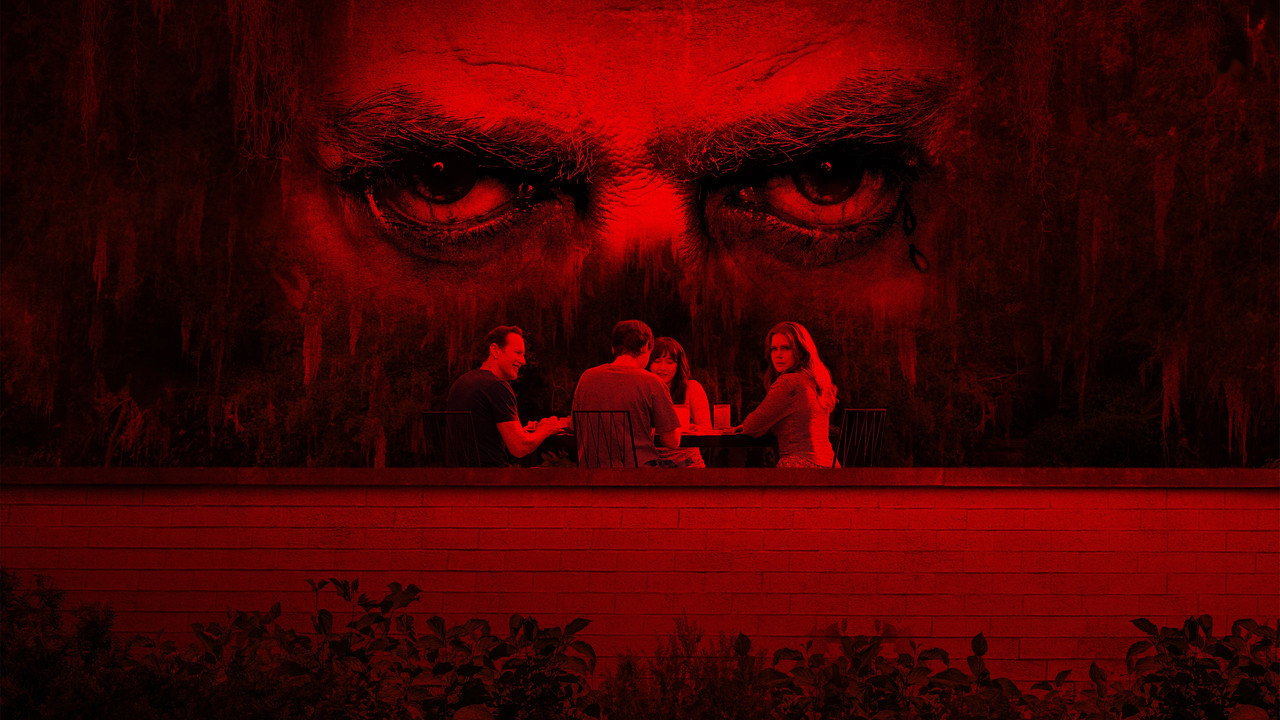
There is architecture worth returning to: the surveillance iconography of Cady's tattooed eyes, the Santeria framing of his vengeance, the way backstory reshapes earlier scenes on a second pass, and the formal choice to avoid traditional coverage rewards close attention. The limit is that much of the pleasure is first-pass surprise, and once the coincidences are known, the seams that felt propulsive show as seams. Real density lives in the craft and the design; the plot machine offers less on return.
A third reading of Max Cady built entirely out of held stillness, wrapped in the most convincingly humid crime series in years, and wired to a plot machine that groans as often as it grips.
Bardem builds Max Cady out of quiet. His threat lives in long stretches of held stillness, in the seconds where a scene refuses to release its tension, and the cat-and-mouse rhythm draws its charge from how rarely he raises the temperature by force. It is a third reading of a much-played part, closer to a low pressure system than to swagger or fury. Adams answers it with a performance of controlled erosion. Her Southern accent carries sweetness laid over something acidic, and she plays a woman whose steadiness is a held breath: alcoholism, compromise, and maternal fear surface in the face before they surface in the plot.
The series is unusually good at heat. Eben Bolter's photography treats humidity as a formal problem to be solved, pursuing sweat and thickened air as though the climate were a character with intentions. The camera also declines the reflex of shot-reverse-shot, staging conversations so the eye is denied its expected resting places, which keeps even domestic scenes faintly unmoored. A score built on Bernard Herrmann's grammar completes the atmosphere without leaning on it.
With nine directors across ten hours, the visual identity might have splintered. It largely holds, in part because the design language is strong enough to survive the handoffs. What varies more is register. The three leads perform in a polished, actorly key, and the effect is that Lily Collias, as the teenage Natalie, becomes the emotional floor of the show precisely by playing in a more naturalistic voice. When she is on screen, the stakes feel human rather than staged.
The adaptation runs current anxieties through the old premise: a true-crime podcast, catfishing, algorithmic deception, viral shaming. Cady's tattooed eyes update the film's body iconography into a surveillance idea, a threat that is always watching. How much of this lands as texture and how much as decoration is the season's live question, and a reasonable viewer can come down on either side. The most persuasive stretches are the ones that trust the confrontation over the topical dressing: a tense neighborly dinner staged across the street in the back half sharpens the whole enterprise, stripping away ambiguity about what Cady actually wants. The finale confines the family and Cady to a single space and stages something close to a mock trial, built almost like a stage play, and it gives Bardem's arc its endpoint.
This is a lurid object that knows it. It is well-acted, occasionally preposterous, and confident enough about its own pulp that the eye-rolls and the compulsion to keep watching arrive in the same breath. Whether that reads as a feature or a limit depends on what you want from prestige crime. What is not in doubt is the level of the two central performances and the specificity of the world they move through.
Beyond this line, spoilers
The Conversation
First-person welcome. Pushing back on consensus is a tool, not a formula.
Now I can go where the spoiler-free zone couldn't. The engine of this version is the plot machine, and I'm genuinely split on it.
Start with what works. The reassignment of Anna to Cady's former defense attorney is the smartest choice Antosca makes, because it converts the wife-in-peril figure into someone with agency and guilt in the same body. Anna dissecting lies in real time, using the muscle of her old profession against the man she once defended, is the series at its most alive. The show also does real work fleshing out backstory in parallel, so that new supporting characters inherit stalking behaviors and the past keeps reshaping the present. When it earns a surprise, it earns it.
The problem is how many surprises it wants. By the houseboat sequence in Episode 9, where Anna tracks down Cady's half-sister Crystal, played by Juliette Lewis, and pulls incestuous family secrets out of photographs and locket clues before a stabbing sends her into the river, the machinery starts to groan. It's pure pulpy mayhem, and it's fun, but the volume of long-buried connections and perfectly timed coincidences begins to feel like a step too far. Critical information keeps landing in laps at the exact right moment. Jen Chaney's read that the thing is 'perfectly fine' but lacks the creative audacity of Fargo is the most useful frame for the disappointment: this is elevated-crime IP that reaches for the register without the invention.
I'd push on the red-herring complaint too, because I think it's partly right. Tom's microdosing subplot, the podcast, the tech references: several of these augment nothing and read like a sampling plate of prestige devices. Ben Travers is close to the mark that the modern themes are present without being explored. And yet the counter-case has teeth. Contrasting the Bowdens' cloistered, genteel white Southern world with a racialised Spanish-American Cady sharpens the class-and-justice question in a way that isn't decorative, and the detail that Cady adopts Santeria in prison, its Orisha of thunder and vengeance mapped onto his mission, is a genuinely considered piece of character construction rather than set dressing. So the thematic ambition is real; the follow-through is uneven. Both things are true.
The Episode 6 dinner is the show's best hour for me because it stops hedging. It confirms Cady wants not reparations but a sincere apology and the destruction of two careers, and the clarity is a relief after episodes of ambiguity. The finale doubles down: the family trapped, Cady presiding over a mock trial, Bardem describing Max as a feral, dying beast. Structured like a stage play, it's the culmination of his arc, and whether the confinement plays as tension or as theater is, again, a matter of taste.
A note on the audience split, because it's stark. The press consensus sits in generally favorable territory and leans positive on Bardem, while user response runs more negative. The complaint from that quarter is that Bardem lacks fear and menace. I don't buy it. The stillness is the point; if you want the character to detonate on schedule, this reading will read as inert, but the tension it generates is deliberate and sustained. Nick Schager's pan calls the whole thing an F-grade affair on originality and rationality, and I'll grant the rationality charge while resisting the rest. Richard Roeper's phrase for it, entertaining trash running on NOS, is the honest verdict. I had a good time. I also rolled my eyes. Those aren't contradictions here; they're the terms of the deal.
Cast & Crew
Who made it, and who’s in it.
Cast
Amy Adams
Anna Bowden

Javier Bardem
Maximiliano 'Max' Cady
Patrick Wilson
Tom Bowden
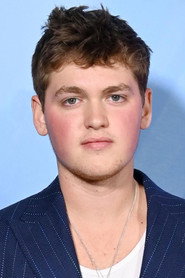
Joe Anders
Zack Bowden

Lily Collias
Natalie Bowden
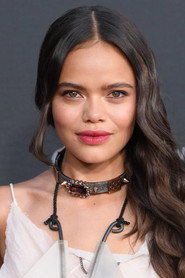
Malia Pyles
Nevaeh Valentine
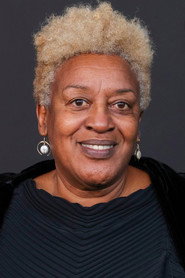
CCH Pounder
Noa Toussaint
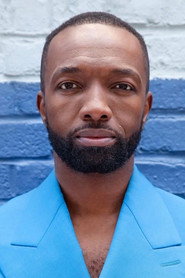
Jamie Hector
Ray Rawlins

Blaise Reyes
Hallucination Adam Cady
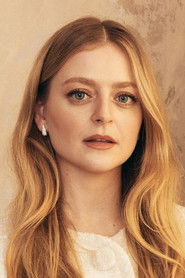
Anna Baryshnikov
Tabitha

Juliette Lewis
Crystal

Amanda Dunn
Melissa Cady
Crew
- CreatorNick Antosca
- DirectorAmanda Marsalis
- DirectorSteven Piet
- DirectorReed Morano
- DirectorMorten Tyldum
- DirectorStephen Williams
- DirectorTrey Edward Shults
- DirectorJon S. Baird
- DirectorSJ Clarkson
- DirectorJonathan van Tulleken
- WriterTara Shivkumar
- Director of PhotographyEben Bolter
- EditorDavid Holland
- Original Music ComposerJeff Russo
Trailer
Plays on YouTube, in a new tab.
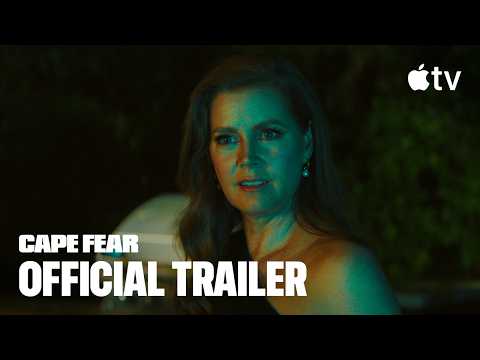 Official Trailer · 2026Watch on YouTube
 Reader response
About the Editor
Derik Silva
Editor-in-Chief
Derik founded The Skry to do for film and television what aggregator culture stopped doing — read closely, score honestly, and defend the score in writing. He believes the long arc is the only arc that matters: the films that earn their reputation by holding up over years, and the ones whose reputations have grown larger than the films can carry. Previously, he founded Travault.
The Skry Dispatch
Read closely, weekly. Reviews and dispatches from The Skry.