TV Review
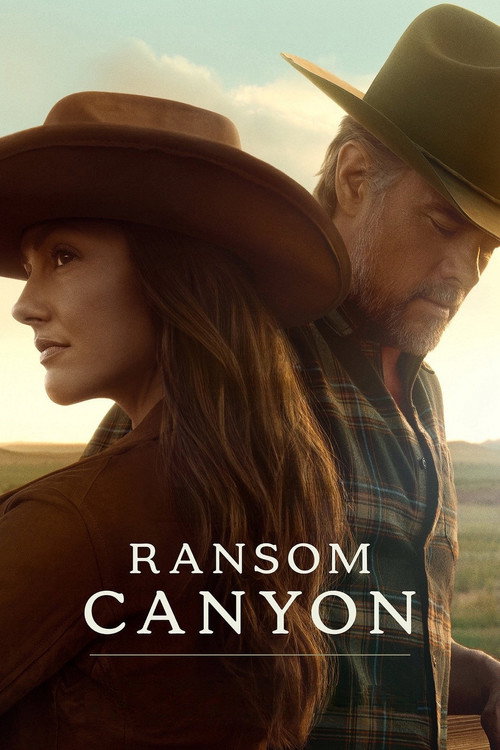
Ransom Canyon
Josh Duhamel · Minka Kelly · Lizzy Greene
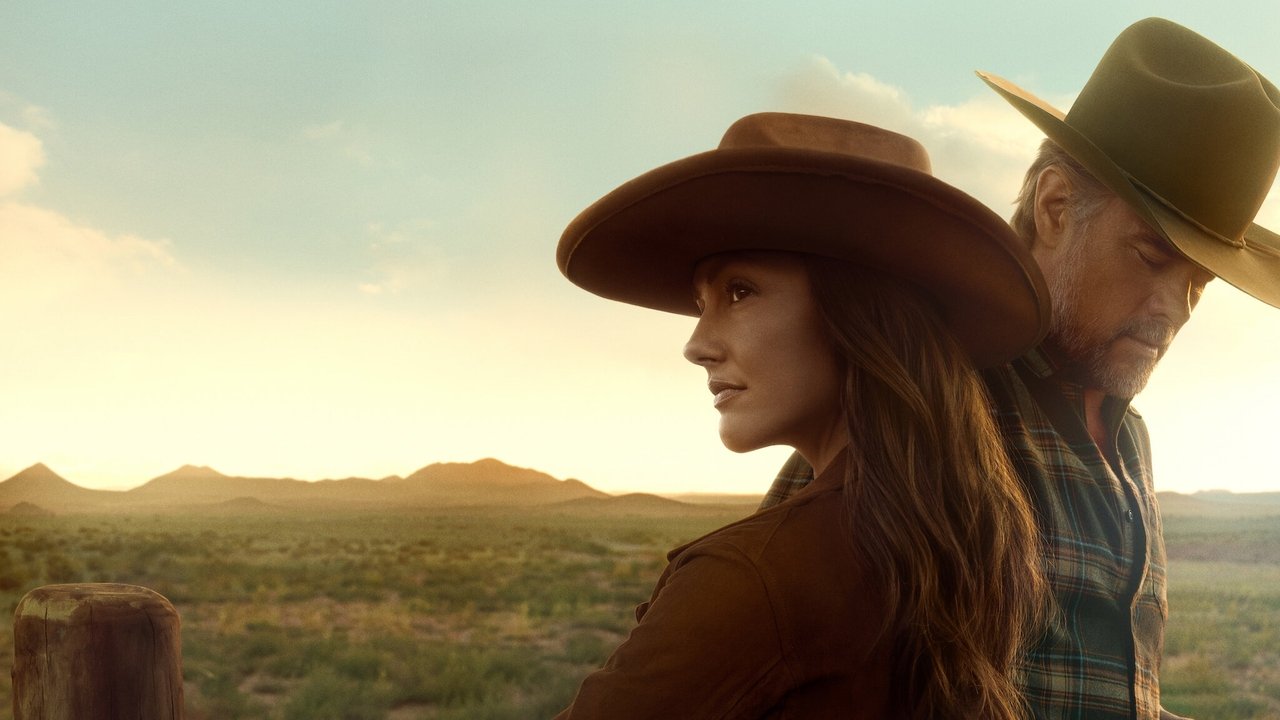
Ransom Canyon knows exactly what it is, and it builds accordingly. April Blair, whose television career runs through youth-skewing romance drama, has taken Jodi Thomas' eight-book series and organized it around a stated principle of love, land, and legacy. Every storyline rotates on one of those three axes. The result is a ten-episode Texas Hill Country soap that moves in a tight carousel, parceling out character information episode to episode so that no single reveal ever has to carry too much weight, and no episode arrives without a fresh secret to trade.
Editorial Deep
Score breakdown, defended
Each dimension scores what it scores. The number is the claim; the prose is the defense.
Editorial Layer
Flat mean of the five dimensions below. Contributes 71% to the Skry Score.
The writing executes its carousel structure with real discipline: character information is rationed across ten episodes so momentum never stalls, and the love-land-legacy scaffolding gives every thread a clear stake. The limitation is genuine and internal to its own aim. The people are kept legible rather than allowed to develop, cycling through confession and rejection without accruing personality, which caps the emotional return even within a soap's own frame. That gap between smooth machinery and static characterization is why this sits below the accomplished floor rather than at it.
The photography does precisely what the genre asks and does it with control. New Mexico stands in for Texas Hill Country convincingly, the daylight ranch country is composed to flatter both land and cast, and the communal set pieces are staged with clear spatial logic so the town's factions read cleanly in a single frame. The look is handsome and legible without straining for a grandeur the material doesn't require. It is confident craft serving the story's scale rather than competing with it.
The performances consistently exceed the room the writing gives them. Minka Kelly grounds Quinn in credible warmth and carries the piano scenes with physical conviction, becoming the season's most reliable anchor. Josh Duhamel makes restraint watchable, and his scenes with Brett Cullen carry a charge the page underserves; the two go at each other with genuine appetite. This is skilled ensemble work operating at the top of what the roles permit, which is the correct thing to reward here.
Momentum is the show's strongest craft. The tightly edited carousel keeps every episode arriving with a fresh secret, and the pacing is calibrated for bingeability without feeling slack. The set pieces function as genuine engines: the dance hall detonates the town's frictions, the rodeo runs two plots at once, and the tornado forces a confession through physical circumstance rather than talk. The season moves with real confidence and rarely lets attention drift on its own terms.
On a second pass the design is visible and the machinery holds, which is a modest reward. The tornado's structural function and the way information is parceled out reveal a deliberate architecture worth noticing once. The limitation is density: the characters are built to be understood immediately and completely, leaving little beneath the surface to return for. What you see the first time is close to all there is, which is by design for the form and honestly caps the reasons to rewatch.
A comfort-food Western engineered to leave no mark, and largely succeeding at exactly that.
The machinery is the point. Amanda Marsalis directs the first two episodes and sets a template the season honors: warm daylight, wide ranch country, a town whose factions can all be gathered into one room when the plot needs them there. That town is New Mexico dressed as Texas, and the production sells the illusion cleanly. The look is handsome and unfussy. It flatters the actors and the land without reaching for grandeur it doesn't need.
Josh Duhamel plays Staten as a man built almost entirely from restraint, and he broods with conviction. His scenes opposite Brett Cullen, as a father he cannot make peace with, carry a real charge; the two performers push at each other with an appetite the writing around them doesn't always match. Minka Kelly is the season's most quietly effective element. As Quinn, a concert pianist returned to small-town life, she projects warmth and genuine pleasure in the place without tipping into sweetness, and she carries the piano scenes with a physical credibility that anchors the character.
The set pieces are where the design shows its confidence. A dance hall reopening in Episode 3 works as the communal pressure point, jamming rivals into one space and letting the frictions detonate. A rodeo in Episode 5 does double duty, running a high-stakes wager alongside a bit of romantic sabotage. Best of the three is the Episode 7 tornado, which shoves Staten and Quinn into forced proximity and uses the enclosure as the season's central romantic pressure cooker. It is the clearest example of the show using structure rather than dialogue to force a confession, and it lands because the physical situation does the work.
What you make of all this depends on what you want from the form. The carousel is smooth. The confessions and rejections come on a reliable cycle. If you want characters who deepen with each hour, the show will frustrate you; the writing keeps its people legible and consistent rather than surprising, which is a different ambition than psychological complexity. Ransom Canyon is counter-programming to prestige drama's parade of unlikable people. It gives nearly everyone a motive you can follow and a heart you can locate. Whether that reads as generous or as flat is the question the series leaves you to answer, and it is worth knowing which viewer you are before you start.
Beyond this line, spoilers
The Conversation
First-person welcome. Pushing back on consensus is a tool, not a formula.
I want to take the central disagreement head-on, because it's the whole conversation. Aramide Tinubu calls the show horny, absurd, and ridiculously entertaining, treating the soap mechanics as the appeal. Angie Han looks at the identical quality and calls the thing featureless and formulaic, engineered to slide off the brain while you do something else. They are describing the same object. They just disagree about whether background-viewing counts as a virtue.
My honest read is that both are right and the show knows it. The leads have called it comfort food and gooey chocolate cake. That's not a defense a passion project makes about itself. Han's sharpest point is that the characters cycle through tearful confessions and cold rejections without ever building actual personalities, and that this is a failure of writing, not of casting. I think she's correct about the mechanism and slightly unfair about the intent. The show isn't trying to grow its people. It's trying to keep the carousel turning, and Dana Dickey's argument that the tight edit parcels out intel judiciously enough to sustain ten episodes is, structurally, accurate. Christelle Lujan's claim that it avoids skewing into the fully ridiculous is more generous than I'd go, but the tornado episode does show the machine at its best.
The tornado is the pivot for a reason. Staten and Quinn have spent six episodes being kept apart by the plot's need to keep them apart, and the storm does what dialogue couldn't: it closes the distance and forces the confession. It's the one moment where the structural design and the emotional payoff line up cleanly. Duhamel and Kelly are good enough there that you understand the number-one streaming rankings the second season pulled in several countries. People want to watch these two want each other.
The harder note is the one about digestibility as cover. There's a real argument that the show's pleasantness makes viewers less likely to interrogate what it endorses, specifically the way it celebrates Staten's stoic masculinity as something we're primed to tolerate and even reward in handsome men. I take that seriously. Duhamel is very good at brooding handsomely, and the show does treat his silence as depth rather than as a thing to examine. The counter is that a soap wears its values on its sleeve; nobody comes to Ransom Canyon for a critique of the rancher archetype. Both can be true. The show is easy to swallow, and easy to swallow is not the same as harmless.
Where I land: this is a competent, confidently assembled genre machine that does the thing it set out to do and declines to attempt anything larger. Kelly is the reason to watch. The tornado is the reason to keep watching. And if you want your drama to leave a mark, this one is designed, quite deliberately, to leave none.
Cast & Crew
Who made it, and who’s in it.
Cast
Josh Duhamel
Staten Kirkland

Minka Kelly
Quinn O'Grady
Lizzy Greene
Lauren Brigman

Garrett Wareing
Lucas Russell

Marianly Tejada
Ellie Estevez
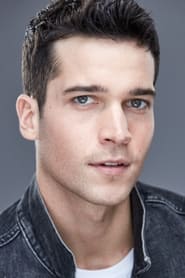
Jack Schumacher
Yancy Grey
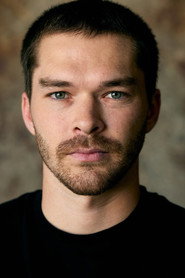
Casey W. Johnson
Kit Russell
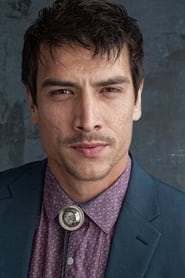
Justin Johnson Cortez
Kai Flores
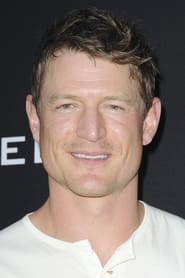
Philip Winchester
Dan Brigman

Brett Cullen
Sam Kirkland
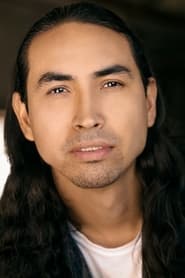
Tatanka Means
Jake Longbow
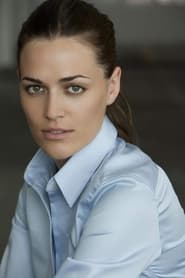
Lauren Glazier
Angie O'Grady
Crew
- CreatorApril Blair
- DirectorAmanda Marsalis
- DirectorDavid McWhirter
- DirectorMichael Offer
- DirectorMeera Menon
- WriterPaul Haapaniemi
- Director of PhotographyEric Koretz
- EditorFinnian Murray
- Original Music ComposerJeff Cardoni
Trailer
Plays on YouTube, in a new tab.
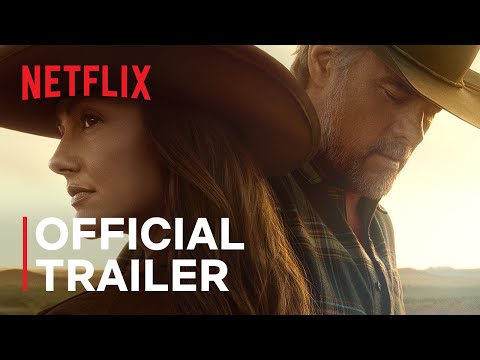 Official Trailer · 2025Watch on YouTube
 Reader response
About the Editor
Derik Silva
Editor-in-Chief
Derik founded The Skry to do for film and television what aggregator culture stopped doing — read closely, score honestly, and defend the score in writing. He believes the long arc is the only arc that matters: the films that earn their reputation by holding up over years, and the ones whose reputations have grown larger than the films can carry. Previously, he founded Travault.
The Skry Dispatch
Read closely, weekly. Reviews and dispatches from The Skry.