TV Review
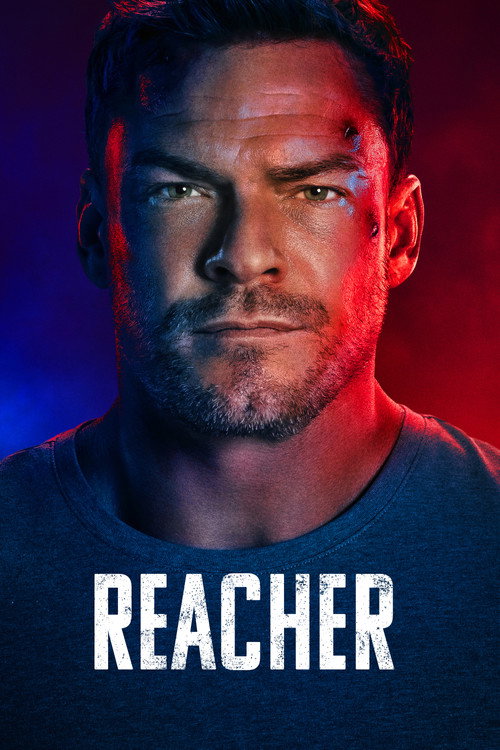
Reacher
Alan Ritchson · Maria Sten · Malcolm Goodwin
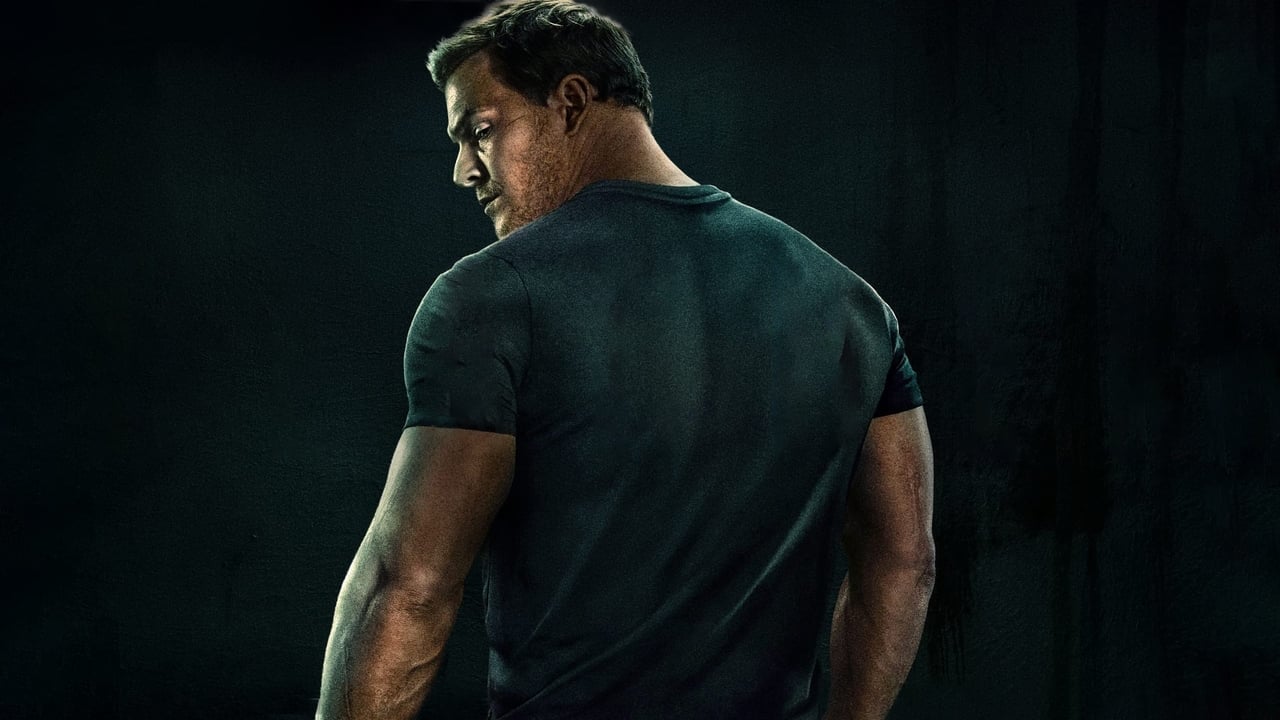
Here is the promise of a body: Alan Ritchson stands in a doorway and the frame tells you everything before he speaks. The camera keeps still. It holds him in a wide shot, lets his scale fill the space, and refuses to cut around what happens next. That governing choice is what separates this adaptation of Lee Child's Killing Floor from the run of streaming action. The show trusts its own choreography enough to show it plainly, in straight angles and clean geography, without the fanciful editing that has become the default whenever fists start flying.
Editorial Deep
Score breakdown, defended
Each dimension scores what it scores. The number is the claim; the prose is the defense.
Editorial Layer
Flat mean of the five dimensions below. Contributes 71% to the Skry Score.
The writing takes a lean procedural premise, a wrongful arrest that opens a corrupt town, and drives it clue by clue with almost no filler. Santora's serialized-crime discipline shows in how each episode advances the case rather than stalling it, and the archetype is drawn with clarity: stoic, logical, non-attached. The limitation is structural rather than fundamental. The childhood flashbacks state their purpose without earning their placement, interrupting the forward drive of the Margrave investigation. That single recurring misstep is what separates accomplished writing from exceptional writing here.
This is the show's most distinctive craft. The action is built on camera confidence: straight angles, wide shots, clean geography, and a deliberate refusal of post-Bourne shaky-cam and cheat-cuts. The result is choreography you can actually read, framing that lets scale register as scale, and set pieces that look grounded because the camera never lies about what happens in them. The Kliner factory finale is the fullest expression of that discipline. This is a coherent visual argument sustained across a season, and it is the reason the action lands.
Ritchson meets a role defined by stillness and mass with unusual precision, playing stoic without playing blank, and carrying the fight sequences on a swagger that reads as calculation rather than posture. Fitzgerald's Roscoe supplies a genuine counterweight to the show's masculine register, and Sten's Neagley mirrors the lead's competence without copying his manner. The ensemble does exactly what the material asks. The limitation is scope of demand: the roles ask for embodiment and register more than for range, and the cast delivers fully within that frame.
The season is built for momentum and mostly achieves it. The arrest catalyst lands fast, the investigation compounds cleanly, and the finale pays off a promise the early episodes planted. Violence and sex arrive with narrative purpose rather than as drag. The one recurring stall is the flashback structure, which costs the show velocity each time it cuts away from the present-day case. That keeps the pacing accomplished rather than relentless, but the forward drive is real and consistent.
The clean, uncheated choreography rewards a second pass; the set pieces hold up to closer watching precisely because they were shot to be legible. The archetype construction and the factory finale's dual payoff have architecture worth returning to. The limitation is density: this is a procedural built to move rather than to conceal layers, so the second viewing offers craft appreciation more than fresh discovery, and the flashback stalls remain stalls on rewatch.
The camera never cheats, and that single refusal is what lifts this above the streaming action pack.
The first season is a murder investigation that begins with a wrongful arrest. A large stranger arrives in the town of Margrave, gets jailed for a killing he did not commit, and the process of clearing himself becomes the process of pulling a corrupt town apart at the seams. The structure is procedural at heart, and Nick Santora builds it the way a career in serialized crime drama teaches you to: clue by clue, room by room, each episode advancing the case rather than stalling it. Very little here is filler. The forward motion is the point, and the season keeps finding it.
Ritchson is the engine. The role asks for stillness, physical mass, and a kind of unhurried logical certainty, and he supplies all three without visible strain. His swagger is not affect; it reads as a man who has already calculated the outcome of the fight he is about to win. The performance is stoic without being blank, which is a harder thing to play than it looks. Around him, Willa Fitzgerald's Roscoe supplies a counterweight to the show's aggressively masculine register, giving the case a second temperature. Maria Sten's Neagley functions as the protagonist's mirror, a colleague who matches his competence without imitating his manner.
The season does have a soft spot, and it is structural. Flashbacks to Reacher's childhood on military bases arrive periodically, and their purpose is legible enough. The problem is timing: they interrupt the momentum of the Margrave investigation without paying back what they cost in drive. When the show stays in the present, in the town, on the case, it moves with real snap.
The set pieces are where the confidence pays off most visibly. The season builds toward a finale at the Kliner Foundation factory that delivers on everything the earlier episodes have threatened, a sequence that lands because the camera has spent seven hours earning your trust in what it shows you. Violence and sex both arrive with narrative purpose rather than as garnish. This is old-school action television, deliberately made, and it knows exactly what it is for.
Beyond this line, spoilers
The Conversation
First-person welcome. Pushing back on consensus is a tool, not a formula.
Now the open floor, because there is a live argument here worth having across seasons rather than within one.
The Kliner factory finale is the show at its most complete. Reacher, Neagley, and Finlay set fire to the counterfeiting operation and burn the Kliners' machinery to the ground, and the sequence works on both levels: literal payoff and figurative closure on a promise the season made early. Jeffrey Harris calls it an all-time-best set piece for the show, and I think that holds. What makes it land is the same thing that makes the smaller fights land. The camera never cheats. Harris makes the larger case that the series is close to the only action show making full use of its set pieces, and the reason is the refusal of shaky-cam: straight angles, wide framing, clean choreography. Claire Murdoch situates Reacher in the Knight Errant tradition, the lone stranger who rides in and rides out, and the visual grammar serves that reading. You are always allowed to see the man do the thing.
The first episode's wrongful arrest is the catalyst that makes the archetype work. The imposing outsider gets jailed for a murder he did not commit, and the arrest exposes the town's rot before Reacher does. It is the cleanest possible engine for the season: an innocent man with nothing to lose, a town with everything to hide.
Where I want to be honest is the trajectory. Season 1 is widely read as capturing the core Reacher parameters, and I agree. Ritchson matches Child's described character in a way the earlier film adaptations, with Tom Cruise in the role, never could on physical grounds alone. But the consensus frays across seasons, and it should. By Season 3, even the friendly reviews concede the premise might be starting to feel tired, and the formula's novelty is thinning. Nick Schager still finds Ritchson's stoicism keeps the show satisfyingly mean and muscular, and Aaron Peterson credits the creative team with sustaining laughs, surprises, and thrills across seasons. Against that, M. Bijman's pan of Season 3 argues the writers have lost it entirely: logic errors, plot holes, a Reacher-versus-Paulie fight so prolonged it nearly turns comic, and a romantic entanglement with a government colleague that Bijman treats as a betrayal of the character on the order of James Bond settling down. Both sides agree on what the character is. They disagree on whether the show has kept him. I do not think that argument is settled, and I would not pretend it is. What I will say is that the case for Season 1 does not depend on it. The pilot season is a self-contained procedural that does the archetype cleanly and burns it down beautifully.
David North-Martino gives the show his highest recommendation on the grounds that it contains no filler and every episode hums, and that its violence and sexuality serve the story rather than pad it. On Season 1, I think that is right. Santora's background across serialized crime television shows in the discipline of the pacing. The flashbacks are the one place that discipline slips. Their intent is clear. Their placement is not, and they slow a story that is otherwise built for velocity. It is a small tax on a season that mostly refuses to charge one.
Cast & Crew
Who made it, and who’s in it.
Cast

Alan Ritchson
Jack Reacher

Maria Sten
Frances Neagley
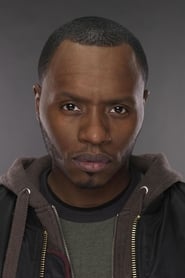
Malcolm Goodwin
Oscar Finlay

Willa Fitzgerald
Roscoe Conklin
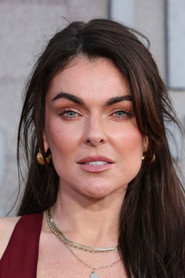
Serinda Swan
Karla Dixon
Chris Webster
KJ
Shaun Sipos
David O'Donnell
Bruce McGill
Mayor Teale
Ferdinand Kingsley
A.M.
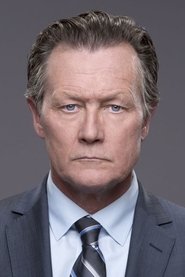
Robert Patrick
Shane Langston
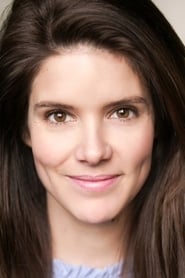
Sonya Cassidy
Susan Duffy

Johnny Berchtold
Richard Beck
Crew
- CreatorNick Santora
- DirectorSam Hill
- DirectorOmar Madha
- DirectorCarol Banker
- DirectorJulian Holmes
- DirectorNorberto Barba
- DirectorChristine Moore
- DirectorThomas Vincent
- DirectorLin Oeding
- DirectorMJ Bassett
- DirectorGary Fleder
- DirectorStephen Surjik
- WriterCait Duffy
- Director of PhotographyMichael McMurray
- EditorJ. J. Geiger
- Original Music ComposerTony Morales
Trailer
Plays on YouTube, in a new tab.
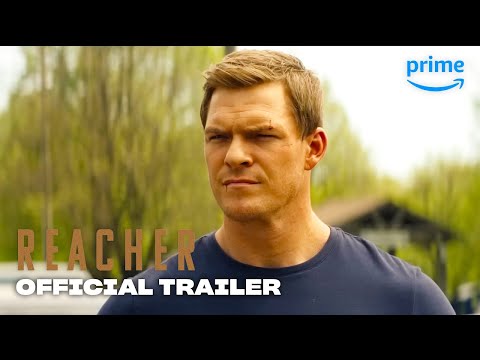 Official Trailer · 2021Watch on YouTube
 Reader response
About the Editor
Derik Silva
Editor-in-Chief
Derik founded The Skry to do for film and television what aggregator culture stopped doing — read closely, score honestly, and defend the score in writing. He believes the long arc is the only arc that matters: the films that earn their reputation by holding up over years, and the ones whose reputations have grown larger than the films can carry. Previously, he founded Travault.
The Skry Dispatch
Read closely, weekly. Reviews and dispatches from The Skry.