
TV Review
Silo
Rebecca Ferguson · Common · Chinaza Uche
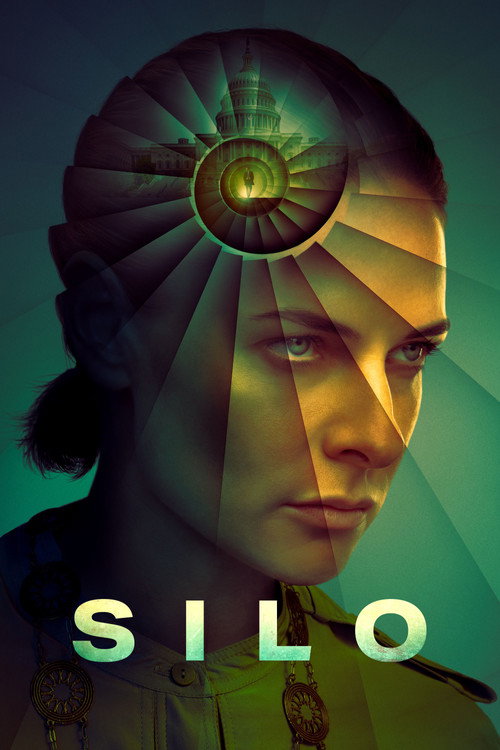
Silo is built downward. The premise gives you a buried concrete cylinder holding what may be the last of humanity, and the show's first structural decision is to treat that geometry as a real place: a bridge that repeats every 120 degrees, pipes every 180, levels stacked so far apart that a descent is measured in days. The production design refuses the small-stage feel that sinks most enclosed sci-fi. Spaces carry wear and residue, the accumulated grime of a society that has been rationing everything for generations. You believe people have lived and died here.
Editorial Deep
Score breakdown, defended
Each dimension scores what it scores. The number is the claim; the prose is the defense.
Editorial Layer
Flat mean of the five dimensions below. Contributes 71% to the Skry Score.
The writing builds a coherent, disciplined world and distributes its central idea of control across surveillance, schooling, and information with real precision, and the Season 1 finale reveal is a clean structural payoff that reframes what came before. The limitation is momentum and characterization reach: the mystery-box model invites withholding, the expanded ensemble leaves secondary figures functioning as plot conductors, and by Season 3 the reliance on a memory-loss device exposes the engine running short of fuel. Solid construction, uneven forward drive.
The image is the show's most distinctive achievement. The production design gives a buried concrete cylinder lived-in weight, defeating the small-stage trap that sinks most enclosed sci-fi, and the VFX solve a genuine geometric problem by breaking the silo's repeating patterns so the space never reads as a plain tube. The grey-green palette is a committed, unhedged aesthetic that makes the exterior and flooded set pieces land with scale and dread. This is confident, deliberate visual authorship sustained across long runs.
Ferguson anchors the series with competence-under-pressure that gives it a genuine center of gravity, and Robbins supplies an unsettling boyish counterweight in the upper levels. The ensemble is the site of the limitation rather than a failure: some supporting roles are written thin, and Common's restrained enforcer divides viewers, reading to some as depth and to others as inert. The lead work is strong enough to carry the show; the surrounding performances are constrained more by what the script gives them than by the actors.
Momentum is where the show pays for its patience. The atmosphere is immersive and the set pieces, particularly the solo exterior passage, generate real tension through stillness. But the enclosed murk can tip from immersive to stifling, the Season 2 POV-switching stalls the forward line, and set-piece episodes like 'The Dive' get chopped by editing that dissolves tension it had already built. The feeling is cumulative and heavy rather than driving, which serves the mood but strains the hour-to-hour pull.
A second pass rewards the architecture. The world-building is dense enough that early hours read differently once the finale's revelation reframes them, and the design carries detail that pays off on close watching. The dread and the political mechanics hold up. What limits return value is the pacing that already tested patience the first time; the slack stretches remain slack, and the mystery, once solved, gives back less on the rewatch than the imagery does.
It is a more impressive season and a slacker one, and both of the critics fighting over it are describing the same show.
The governing look is a grey-green murk, and this is the show's boldest and most divisive choice. It reads as either atmosphere or oppression depending on your tolerance for being kept underground. There is no cheating toward daylight for relief. That commitment pays off in the image but taxes the eye across long stretches, and it is fair to want the surface long before the story is willing to grant it. Atli Örvarsson's score works the same register, a funereal ambient wash that fills the gaps between scenes rather than pushing them forward.
Rebecca Ferguson is the reason the machine turns. She plays Juliette as competence under pressure, an engineer's mind applied to a mystery that keeps enlarging, and she gives the series a center of gravity it genuinely needs. When she is on screen and in motion, Silo is at its best. Tim Robbins supplies a boyish, unsettling counterweight in the show's upper reaches, a lightness that curdles the more you watch him. The set-piece instinct is strong: an early solo passage across a corpse-littered exterior and down through flooded lower levels is a small masterclass in resourcefulness, one figure against a dead architecture, and it does more with silence than most of the dialogue does with words.
Graham Yost comes to this from a long-form prestige lineage, and the world-building carries that discipline. The show is precise about how control gets distributed through surveillance, schooling, and the management of information. What it is less sure of is momentum. The mystery-box engine that makes the early hours absorbing also invites the show to withhold, and the ensemble it fans out to does not always reward the time it takes. Some of the supporting figures function more as plot conductors than people. The pleasure here is patient, architectural, and cumulative. If you need forward drive every hour, this is not built for you. If you want to feel the weight of a place, it delivers that with unusual conviction.
Beyond this line, spoilers
The Conversation
First-person welcome. Pushing back on consensus is a tool, not a formula.
Now the open floor. I think Silo is at its strongest when it trusts a single body moving through a hostile space, and weakest when it trusts a conference room. The Season 1 finale is the whole engine laid bare: Juliette steps outside, the wasteland turns out to be survivable, and the horror lands on the reveal that the leavers were issued deliberately substandard suits. That is a clean, cruel piece of dramatic architecture. It reframes everything the season withheld and justifies the withholding. It is the moment the mystery box actually opens onto something worth the wait.
Season 2 is where I have to hold two things at once. The aggregate scores went up, and I understand why: the Silo 17 material, the corpse-strewn entry, the flooded drilling chamber underneath, gives the show a scale that Season 1 mostly implied. The underwater drilling unit in particular makes the silos feel enormous. But I also take seriously the complaint that the season spends nine hours on a story you could summarize in two sentences, splitting POV across up to five characters an hour and stalling the forward line. Both of those are true. It is a more impressive season and a slacker one. 'The Dive' is the case study: a genuine set-piece episode whose thrills Ben Rosenstock argues get chopped up by excessive cutting, and I think he is right that the editorial rhythm keeps undercutting tension it has already earned. When the show finally builds a wave, it edits the wave into ripples.
The Common question is the one I keep turning over. Thomas J. West III calls his Robert Sims borderline unwatchable, glowering and stoic in a way that reads as miscast, sticking out from the ensemble. The counter-read is that a reserved enforcer caught questioning his own allegiances is exactly what restraint should look like. I lean toward the second, but not confidently. Some of it is the writing giving Sims interiority it never dramatizes, so the stillness has nothing to play against. Stoicism reads as depth only when the script proves there is something underneath. Silo sometimes forgets to.
The Season 3 amnesia device is the one place I will side hard with the dissent. A memory-loss engine is among the most tired tools in the drawer, and reaching for it in a show already fighting its own pacing is a tell. That is the risk of the mystery-box model: when the questions run thin, the temptation is to manufacture new ones rather than answer the old ones with feeling.
Where I land: this is science fiction with gravity, handsomely made, politically alert about how order gets enforced and fear gets weaponized. It is also, at times, exactly as sluggish as its detractors say. Both of those reviews are describing the same show. Ferguson holds it together when the writing wanders, and the place itself, that oppressive green cylinder, is a character the design team earns every episode. I would rather watch an ambitious thing that occasionally stalls than a safe thing that never risks the dark.
Cast & Crew
Who made it, and who’s in it.
Cast

Rebecca Ferguson
Juliette Nichols
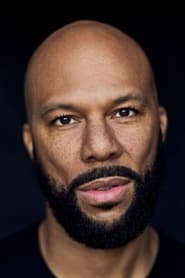
Common
Robert Sims

Chinaza Uche
Paul Billings

Tim Robbins
Bernard Holland
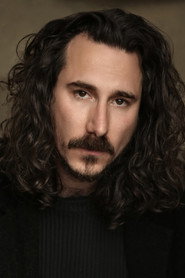
Billy Postlethwaite
Hank

Remmie Milner
Shirley Campbell
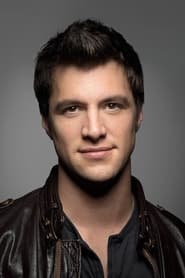
Shane McRae
Knox

Alexandria Riley
Camille Sims

Harriet Walter
Martha Walker

Avi Nash
Lukas Kyle

Rick Gomez
Patrick Kennedy

Caitlin Zoz
Kathleen Billings
Crew
- CreatorGraham Yost
- DirectorBert
- DirectorMichael Dinner
- DirectorAric Avelino
- DirectorMorten Tyldum
- DirectorAdam Bernstein
- DirectorBertie
- DirectorDavid Semel
- DirectorAlrick Riley
- WriterJenny DeArmitt-Stran
- Director of PhotographyMark Patten
- EditorHazel Baillie
- Original Music ComposerAtli Örvarsson
Trailer
Plays on YouTube, in a new tab.
 Official Trailer · 2023Watch on YouTube
 Reader response
About the Editor
Derik Silva
Editor-in-Chief
Derik founded The Skry to do for film and television what aggregator culture stopped doing — read closely, score honestly, and defend the score in writing. He believes the long arc is the only arc that matters: the films that earn their reputation by holding up over years, and the ones whose reputations have grown larger than the films can carry. Previously, he founded Travault.
The Skry Dispatch
Read closely, weekly. Reviews and dispatches from The Skry.