TV Review
Severance
Adam Scott · Britt Lower · Tramell Tillman
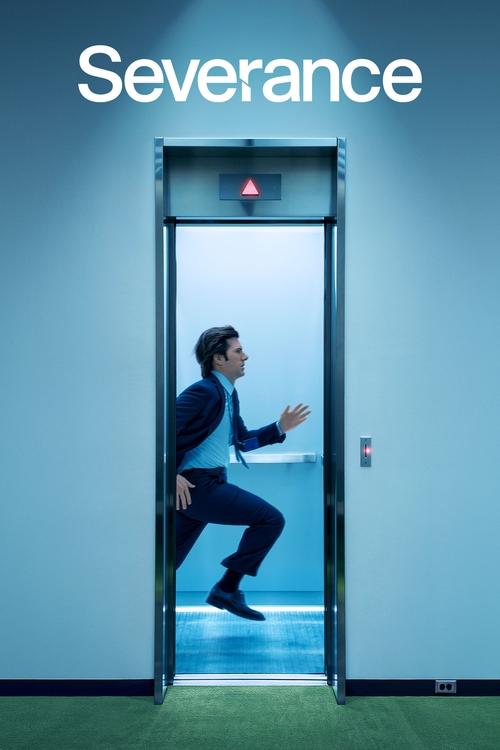
The first thing Severance does is walk. Episode one opens on a long, unbroken tracking shot that follows Mark through Lumon's white fluorescent corridors, taking a circuitous route to his cubicle. Before a single mystery has been posed, the movement has already told you two things: this company is a maze, and this show knows exactly how confident it is. That opening is a statement of intent about the image.
Editorial Deep
Score breakdown, defended
Each dimension scores what it scores. The number is the claim; the prose is the defense.
Editorial Layer
Flat mean of the five dimensions below. Contributes 71% to the Skry Score.
The writing builds a genuinely propulsive engine out of a single conceit, seeding a payoff like the 'Cobel' slip several episodes ahead and letting it land. It sustains dread through withholding rather than exposition, which is a hard structural trick to keep aloft across nine hours. The honest limitation is that its social critique, considered strictly as satire, runs to the predictable; the corporate half coasts where the mystery half compounds. That unevenness keeps it below the top band, but the architecture of suspense is confidently executed.
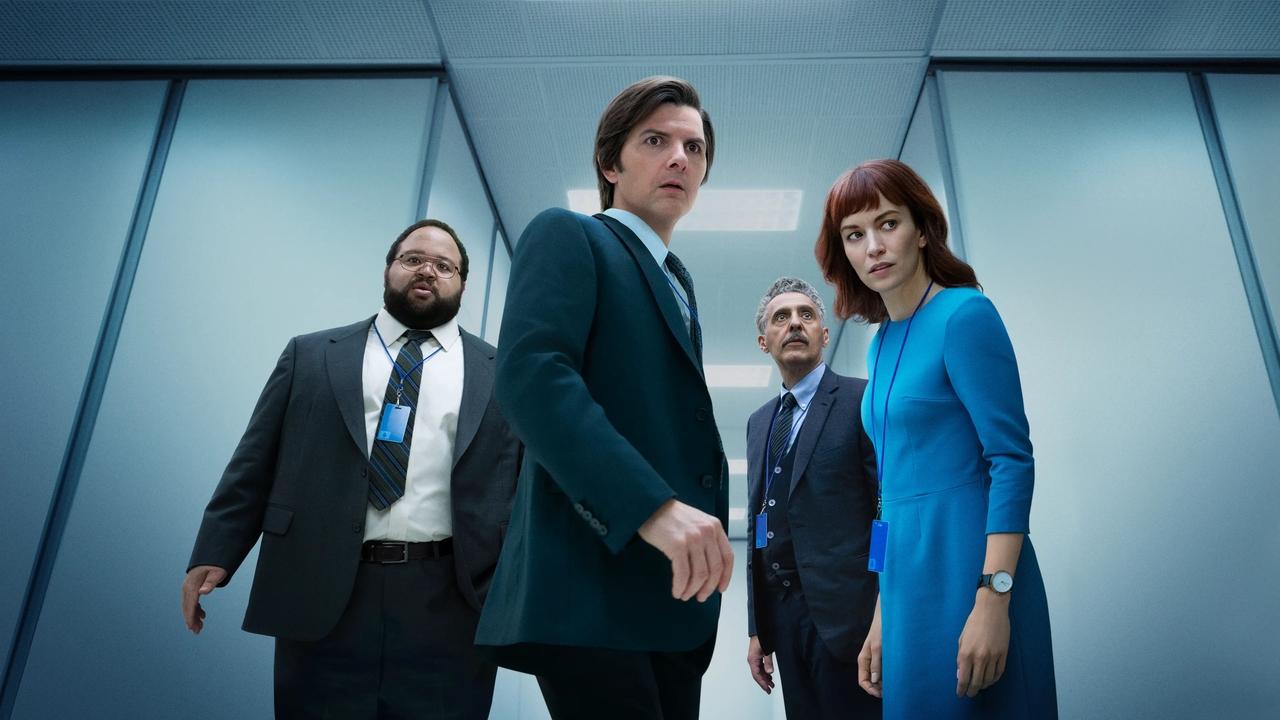
The image is where the series is most fully in command. The opening tracking shot through Lumon's corridors establishes a visual thesis in one movement, and the season honors it: a low-ceilinged office set designed to press down on the frame, sterile whites unsettled by an intrusive green carpet, corridors engineered from rearranged soundstage to read as an endless maze. A single cinematographer holds the visual grammar steady across the whole run, using the camera to externalize the characters' split selves. The finale's held escape shot converts a routine cliffhanger into a lasting paradox purely through duration. This is distinctive, memorable image-making.
The ensemble does specific, differentiated work inside a deliberately affectless world, which is harder than it looks because the show denies actors easy emotional shorthand. Adam Scott finds a controlled stillness in Mark that reframes his range, and Britt Lower leads the company outright, carrying the arc from disorientation to terror with slivers of dark comedy threaded through. The surrounding players sustain distinct registers of eccentricity and menace without breaking the flat surface the show requires. Confident, cohesive performance work.
The momentum is real but genuinely divisive, and the score reflects that the show's central rhythmic gamble does not land for everyone. It runs slow by design, trading forward drive for accumulating atmosphere and paying out mysteries sparingly. When it converges in the final stretch, the release is potent. The limitation is that the deliberate pacing asks for patience it does not always immediately reward, and the payoff-per-hour is uneven across the middle of the season. It achieves its intended slow build; it also tests the viewer to get there.
There is substantial architecture to return to. The season is built on planted setups that only resolve later, so a second pass reveals seeding you couldn't have read the first time, and the elision after Helly's attempt reads differently once you know how the finale lands. The dense, controlled production design and the visual logic of the split selves reward close looking. It falls short of the very top only because some of its withheld questions stay withheld rather than deepening on rewatch.
Severance asks you to make a trade: patience now, dread later. The trade is real, and it isn't free.
The premise is a workplace bargain taken to its logical extreme. Employees at Lumon undergo a procedure that surgically divides their memory, so the self that clocks in has no knowledge of the self that goes home, and vice versa. What could have played as a high-concept gimmick becomes, in execution, a study in space and light. Production design does much of the heavy lifting here. The Macrodata Refinement office is built low and wide, a room with deliberately suppressed ceilings, its sterile whites unsettled by a grassy-green carpet that never lets your eye rest. The corridors that seem to stretch forever were assembled from roughly 140 feet of rearranged soundstage set. You feel the entrapment before anyone names it.
Jessica Lee Gagné's photography carries the season on a single visual grammar, using fluid transitions to externalize the way these characters are split down the middle. Ben Stiller, who directed most of the season, works less like an auteur imposing a look than like an editor of instincts, and the result is a series that feels coherent without feeling controlled to death.
The cast is the anchor. Adam Scott plays Mark as a man managing two griefs he can only half access, and the role reframes what he can do; there is a stillness in the work that pays off across the season. Britt Lower leads rather than supports, carrying the show's sharpest register from bafflement through terror while slipping in flashes of dark humor. Around them the ensemble holds firm, from the by-the-book eccentricity of the office veterans to the polished menace of Lumon's management.
What you should know going in is that Severance is patient. It withholds. It doles out its questions slowly and answers few of them per hour, and it trusts that the atmosphere is reward enough while you wait. For some viewers that patience is the pleasure; for others it will test the limits of goodwill. The show earns its reputation as a slow burn honestly, and by its final stretch the accumulated pressure pays off in a sequence built to leave you unsteady. This is a series that rewards close attention and gives you a great deal to look at while you pay it.
Beyond this line, spoilers
The Conversation
First-person welcome. Pushing back on consensus is a tool, not a formula.
Now I can talk about where it goes, so stop here if you haven't finished the season.
The scene I keep returning to is Helly's suicide attempt on the severed floor, and specifically what the show does after it. The episode elides her outie's reaction entirely and simply resumes as if the incident were routine. That deflation is the most disturbing formal choice in the season for me. It's the hinge the whole thing turns on: the horror isn't the act, it's the shrug. Lumon absorbs it and moves on, and so does the edit. I think that's the moment the corporate-entrapment metaphor stops being clever and starts being frightening.
Which brings me to the argument I find most productive about this show. Phillip Maciak makes the case that Severance is middling as corporate satire but profound as a mystery box, that the office-culture jabs are pro forma and packaged with a wink that only underlines how conventional that half is. I think he's half right, and it's the more useful half of any praise the show has gotten. The satire, taken as satire, is not saying much you haven't heard. But I'd push back on the implication that this sinks it, because the satire isn't really the delivery system. The mystery is. And the mystery is doing something the satire can't: it makes the abstraction of labor alienation into a body you're afraid for.
The finale is where the whole architecture cashes out. The innies stage their overtime escape and briefly wake up inside their outies' lives, and the show holds the shot of Mark and Helly just long enough to make it both beautiful and horrifying. That length is the choice. A shorter cut is a standard cliffhanger; the held frame turns it into a paradox that sits on you after the screen goes dark. There's a smaller version of the same trick earlier, when Mark accidentally calls Ms. Selvig 'Cobel' in episode nine. Adam Scott has talked about that as the payoff of a lot of quiet setup, the moment where, if you're still with the show, it becomes enormously fun. He's right that it depends entirely on your having stayed.
And not everyone should. Shane Ryan's objection is the one I take most seriously: he argues Severance would have been brilliant as a self-contained miniseries and instead defaults to the industry habit of ending on a cliffhanger that serves a future season at the expense of dramatic completion. He calls the show strange, frustrating, very good, then frustrating again, and I understand exactly which frustration he means. The held escape shot is gorgeous, but it is also a door left open for commercial reasons as much as artistic ones. Whether you forgive that probably depends on whether the atmosphere alone was ever enough for you. There is a real strain of viewer for whom the deliberate blankness reads as emptiness rather than dread, the characters as unlikeable rather than dissociated, the color palette as colorless rather than controlled. I don't share that read, but I can see how it's built into the same choices I admire.
Andrew Male's framing sticks with me most: the show gradually evolves from an unsettling mood-piece into a gripping sci-fi mystery that also works as a parable for a paranoid, post-pandemic moment. That's the arc. It doesn't arrive as a mystery; it becomes one. Six episodes in, if you've made the trade the show is asking of you, it clicks. I made the trade. I'd just tell anyone thinking about it that the trade is real, and it isn't free.
Cast & Crew
Who made it, and who’s in it.
Cast
Adam Scott
Mark Scout

Britt Lower
Helly Riggs
Tramell Tillman
Seth Milchick

Zach Cherry
Dylan George

Jen Tullock
Devon Scout-Hale

Dichen Lachman
Ms. Casey

John Turturro
Irving Bailiff
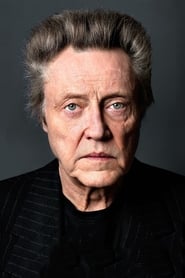
Christopher Walken
Burt Goodman
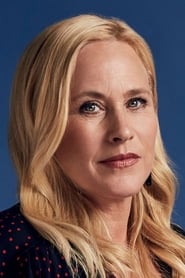
Patricia Arquette
Harmony Cobel
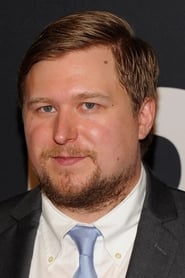
Michael Chernus
Ricken Hale

Sarah Bock
Eustice Huang

Sydney Cole Alexander
Natalie Kalen
Crew
- CreatorDan Erickson
- DirectorBen Stiller
- DirectorAoife McArdle
- DirectorUta Briesewitz
- DirectorSam Donovan
- DirectorJessica Lee Gagné
- WriterAnna Ouyang Moench
- EditorGeoffrey Richman
- Original Music ComposerTheodore Shapiro
Season reviews
Each season is scored on its own. A season score is not part of the series score, and the series score is not an average of its seasons.
Trailer
Plays on YouTube, in a new tab.
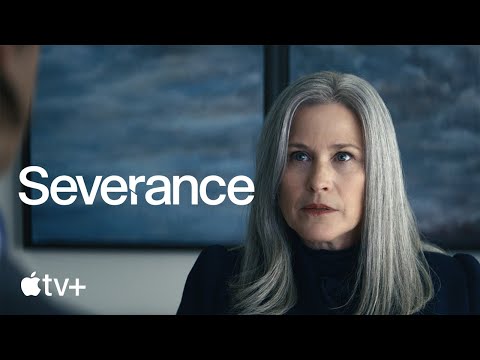 Official Trailer · 2022Watch on YouTube
 Reader response
About the Editor
Derik Silva
Editor-in-Chief
Derik founded The Skry to do for film and television what aggregator culture stopped doing — read closely, score honestly, and defend the score in writing. He believes the long arc is the only arc that matters: the films that earn their reputation by holding up over years, and the ones whose reputations have grown larger than the films can carry. Previously, he founded Travault.
The Skry Dispatch
Read closely, weekly. Reviews and dispatches from The Skry.