Season Review
Severance — Season 2
Adam Scott · Britt Lower · Tramell Tillman
Season 2 of Severance
This season is scored on its own. Its Skry Score is not part of the series score, and the series score is not an average of its seasons.
The second season of Severance opens by rewriting its own opening. Where season one began with clock-in passivity, this premiere hands us a roughly three-minute unbroken tracking shot of Innie Mark sprinting through Lumon's white corridors, the same geometry set to panic instead of routine. It is the season's defining formal statement, and it announces the year's central experiment: the innie/outie split that governed the first season is deliberately broken here. The early episodes stay continuously with Innie Mark even as his shifts end, so we finally get the sustained horror of a consciousness that never sleeps.
Editorial Deep
Score breakdown, defended
Each dimension scores what it scores. The number is the claim; the prose is the defense.
Editorial Layer
Flat mean of the five dimensions below. Contributes 100% to the Skry Score.
The writing executes an ambitious structural gambit: breaking the innie/outie rhythm and shifting the show's governing question from rebellion to how institutional power rewrites memory. The character work in the back half is genuine and the finale refuses easy resolution. The limitation is real and specific: the early episodes deflate their own cliffhangers by relocating the following hour, and the mystery-box accumulation outpaces payoff in stretches. That keeps it accomplished rather than exceptional.
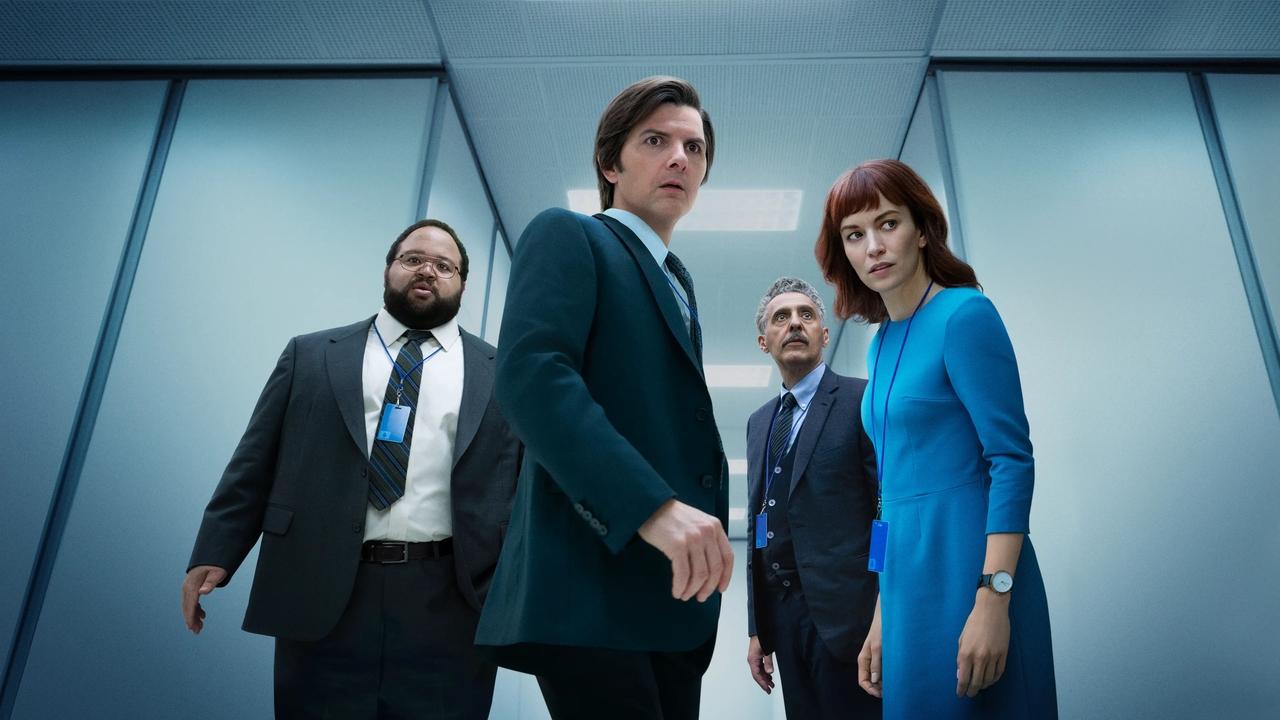
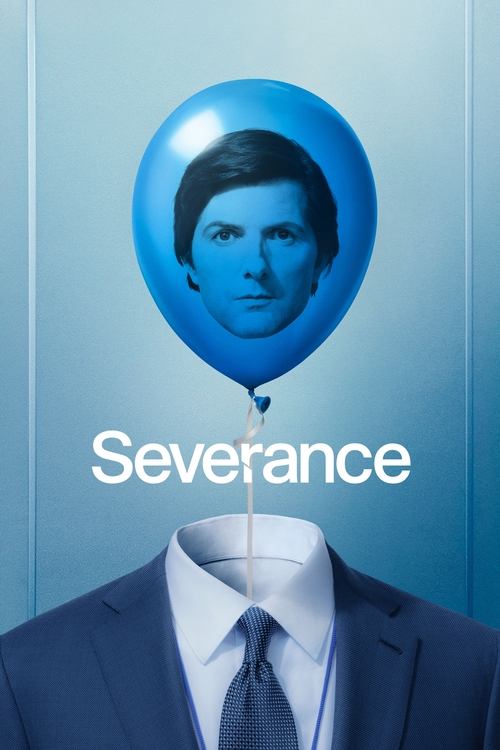
The image is the season's most distinctive achievement. Institutional blue, permanent-winter symmetry, gravity-mocking balloons, and a premiere tracking shot months in the making that mirrors the debut at inverted tempo. Gagné's directing debut in the seventh episode builds disorientation into the camera's own movement. Hindle and Edwards sustain a too-pristine world the eye never fully trusts. The command here is consistent and memorable.
Tillman's Milchick modulates humor, menace and desperation without losing coherence, and Scott's finale splits one actor into two convincingly distinct men. Lachman and Arquette are handed the season's heaviest reframes and carry them. The ensemble is deep and the standouts are genuine peaks.
Momentum is the season's contested craft. The back half moves with real force and the finale earns its extended final beat. But the early hours run pensive by design, and the design does not fully protect them from feeling slack; cliffhangers that reset elsewhere blunt the drive. Competent and often gripping, uneven across the run.
The architecture rewards return: the seventh and eighth episodes recontextualize the institution, reveals reframe earlier beats, and the visual patterning holds up under scrutiny. Density is high and the questions it leaves open are structural rather than sloppy.
A second season that rewards the viewers it loved and quietly demands more patience of them, trading satirical snap for a deeper, stranger interiority.
The second season of Severance opens by rewriting its own opening. Where season one began with clock-in passivity, this premiere hands us a roughly three-minute unbroken tracking shot of Innie Mark sprinting through Lumon's white corridors, the same geometry set to panic instead of routine. It is the season's defining formal statement, and it announces the year's central experiment: the innie/outie split that governed the first season is deliberately broken here. The early episodes stay continuously with Innie Mark even as his shifts end, so we finally get the sustained horror of a consciousness that never sleeps.
That structural boldness is the season's argument, and it is also its risk. The early hours move at a pensive, expansionist pace, opening out into more innie and outie lives rather than accelerating toward answers. Whether that restraint reads as confidence or drift is the season's real fault line, and honest viewers may land on either side. What is not in dispute is that the back half tightens. By the seventh hour the show returns to its most compelling form and stays there.
Jessica Lee Gagné's cinematography keeps its grip through institutional blue, symmetrical streets under permanent winter, balloons that mock gravity. Jeremy Hindle's production design and Sarah Edwards' muted costuming sustain the too-pristine ambiance that makes Lumon feel like a place your body would reject. Gagné also steps behind the camera for the season's emotional high point, building fluid transitions and disorienting camerawork that mirror a mind reassembling itself.
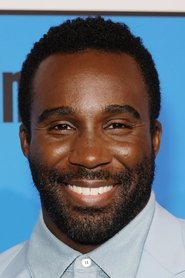
Among the performances, Tramell Tillman's Milchick is the standout, running humor, pizazz, rage and wit through a man desperately trying to make hell feel heavenly. Adam Scott does his finest work of the series in the finale, playing Innie and Outie Mark as genuinely distinct people. Britt Lower and Dichen Lachman are given room to reach places the first season only gestured toward.
If you loved season one, this year rewards you and asks more patience of you. It trades some of the debut's satirical snap for a deeper, stranger interiority. The trade mostly pays.
Beyond this line, spoilers
The Conversation
First-person welcome. Pushing back on consensus is a tool, not a formula.
Open zone, spoilers welcome.
The thing I keep circling is the recalibration. Season one was a rebellion story. Season two is about how memory itself gets weaponized and rewritten, and the show is willing to slow down to make that felt rather than plotted. 'Chikhai Bardo,' the seventh episode, is where it all pays off: Gemma and Ms. Casey's true origins braided into Mark's reintegrating memories, Dichen Lachman finally given the space to shine. It is the most devastating hour the show has made.
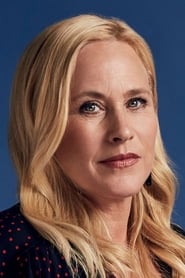
Then 'Sweet Vitriol' pulls a 37-minute flashback to Cobel's coastal hometown, ending with her discovering the notebook that proves she invented the severance procedure, not Jame Eagan. Patricia Arquette plays that beat as righteous indignation, fanatical loyalty, vindication and grief at once. It reframes the whole institution.
And the finale. Innie and Outie Mark communicating through dueling video messages, Milchick leading a marching band, Gemma disassembling a crib, and Innie Mark choosing Helly over escape. Scott's voice trembling on 'But I want to live with you' is the year in miniature. The show stretches its final beat well past easy resolution and refuses to let you exhale.
I'll register the dissent, because it's real. The strongest negative case argues the pacing across the first eight or nine episodes is genuinely slack, that cliffhangers keep deflating because the next episode opens somewhere else, and that the season piles up mystery-box questions faster than it answers them: Mark's health, the goats, Drummond, Jame. Some of that lands. If the Helly-is-Helena reveal read as telegraphed to you, I understand the frustration. And there's a minority view that the season pulls back from the first season's bleakness, softening its edge.
My own read is closer to the majority. Clarisse Loughrey's argument that the existential turn makes the show richer and more loveable is the one I keep agreeing with. This isn't a puzzle to be solved; it's a mood to be inhabited, and the year commits to that. But I won't pretend the pacing debate is settled. It's the fairest fight in the season's reception, and reasonable people are on both sides.
Cast & Crew
Who made it, and who’s in it.
Cast
Adam Scott
Mark Scout
Britt Lower
Helly Riggs
Tramell Tillman
Seth Milchick

Zach Cherry
Dylan George

Jen Tullock
Devon Scout-Hale

Dichen Lachman
Ms. Casey

John Turturro
Irving Bailiff
Christopher Walken
Burt Goodman
Patricia Arquette
Harmony Cobel
Michael Chernus
Ricken Hale

Sarah Bock
Eustice Huang

Sydney Cole Alexander
Natalie Kalen
Crew
- CreatorDan Erickson
- DirectorBen Stiller
- DirectorAoife McArdle
- DirectorUta Briesewitz
- DirectorSam Donovan
- DirectorJessica Lee Gagné
- WriterAnna Ouyang Moench
- EditorGeoffrey Richman
- Original Music ComposerTheodore Shapiro
Trailer
Plays on YouTube, in a new tab.
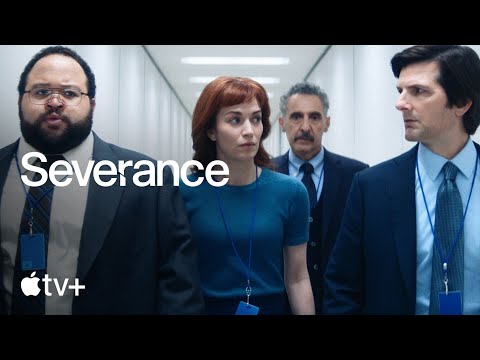 Season 2 Official Trailer · 2024Watch on YouTube
 Reader response
About the Editor
Derik Silva
Editor-in-Chief
Derik founded The Skry to do for film and television what aggregator culture stopped doing — read closely, score honestly, and defend the score in writing. He believes the long arc is the only arc that matters: the films that earn their reputation by holding up over years, and the ones whose reputations have grown larger than the films can carry. Previously, he founded Travault.
The Skry Dispatch
Read closely, weekly. Reviews and dispatches from The Skry.